Running toilets
A cistern that keeps refilling or water that keeps trickling into the bowl after the flush has finished.
Urgent Plumbing
Repairs & Maintenance
Geyser Services
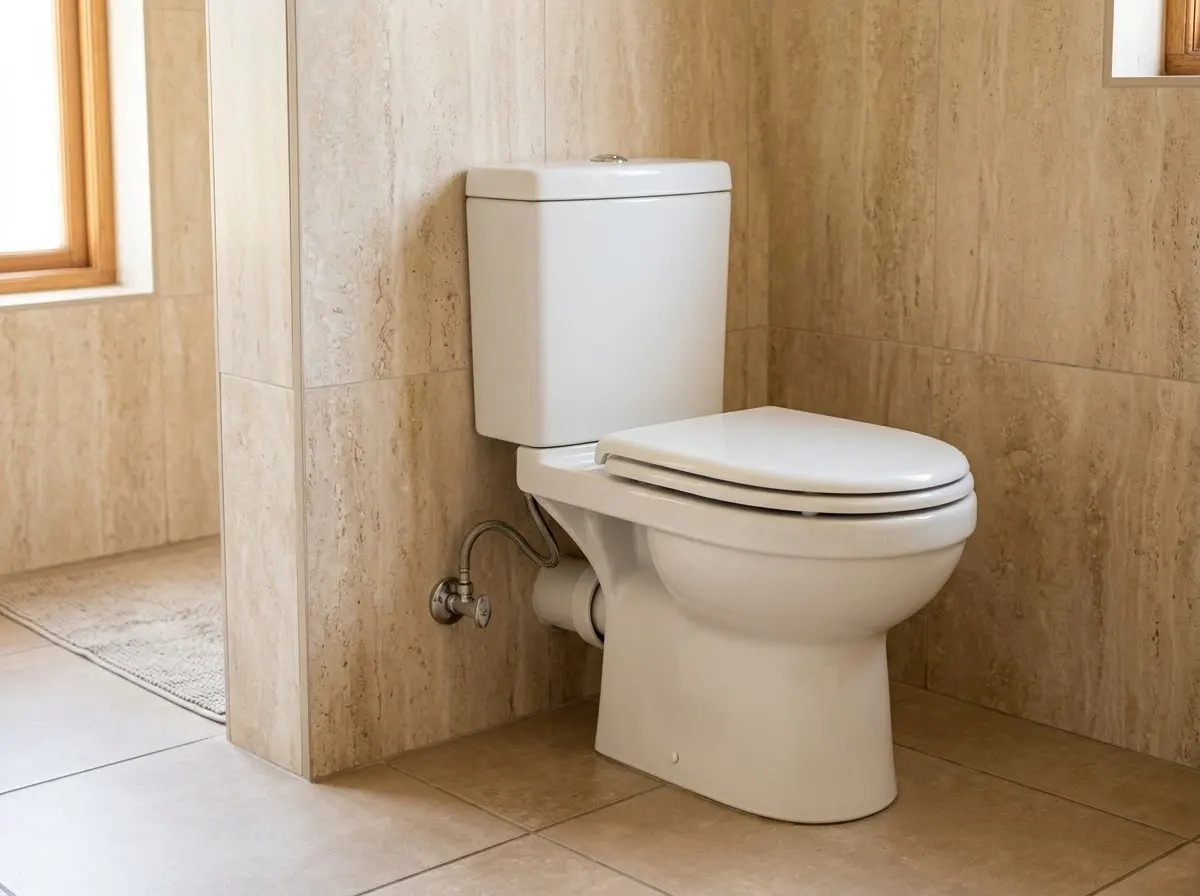
Having trouble with a running toilet, a leaking cistern or a flush that no longer works properly? The Cape Town Plumber helps homeowners in Durbanville and the surrounding Northern Suburbs with toilet fault-finding, repairs and replacements. Tell us what is happening so we can assess the problem and explain the appropriate next step.
Jump to a guide: Running toilet · Won't flush · Leaking at the base
01 — What we repair
Similar symptoms can have different causes, so the fault is assessed before a repair is recommended. Not every component or toilet is repairable in every situation, and we will not name a failed part from a description alone.
A cistern that keeps refilling or water that keeps trickling into the bowl after the flush has finished.
Water around cistern fittings, the supply connection or the joint between the cistern and the pan.
A flush that does not activate, empties only partly or does not clear the bowl as it should.
Buttons or levers that feel loose, stick, or no longer operate the flushing mechanism.
Inlet mechanisms that do not shut off, refill slowly or do not refill the cistern at all.
A toilet that appears to lose water or refills on its own when nobody has used it.
Rising bowl water, slow clearing and blockages that keep returning. Deeper drainage faults are covered on our blocked drains page.
Water collecting around the pan, which can come from several different sources.
Where repair is not practical or a different toilet is wanted, removing the old unit and connecting a replacement.
Flexible connectors, isolation valves and related plumbing that feed the cistern.
Several fixtures backing up at once? See blocked drains and toilets. Other taps, pipes or fittings? See general plumbing repairs.
02 — Warning signs
03 — Safe first steps
Water spreading fast or sewage overflowing? Read our emergency plumbing guidance.
04 — Troubleshooting guide
A running toilet wastes water. It may be caused by a fill valve that does not shut off properly, a malfunctioning float, a water level set too high, or a flush valve that is not sealing. Any of these is possible; none is certain until the cistern is inspected.
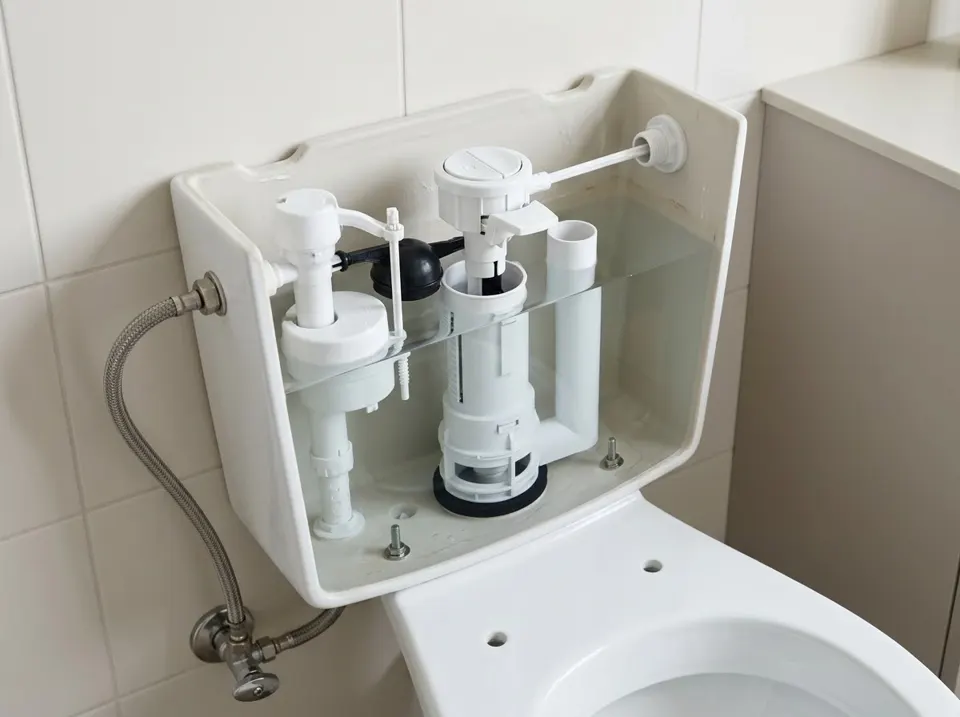
Listen for water still entering the cistern after the flush, and look for water still moving into the bowl. This helps you describe the fault but does not confirm which part has failed.
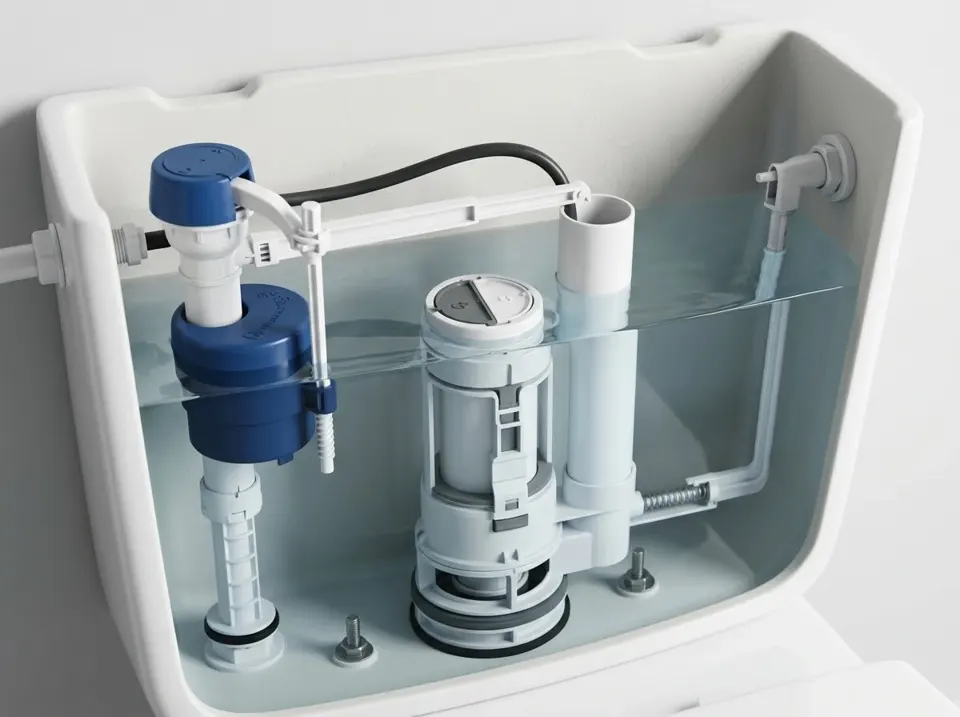
If the water level rises too high, it can spill into the overflow tube and run continuously into the bowl. Observe only — do not bend, adjust or dismantle an unfamiliar mechanism.
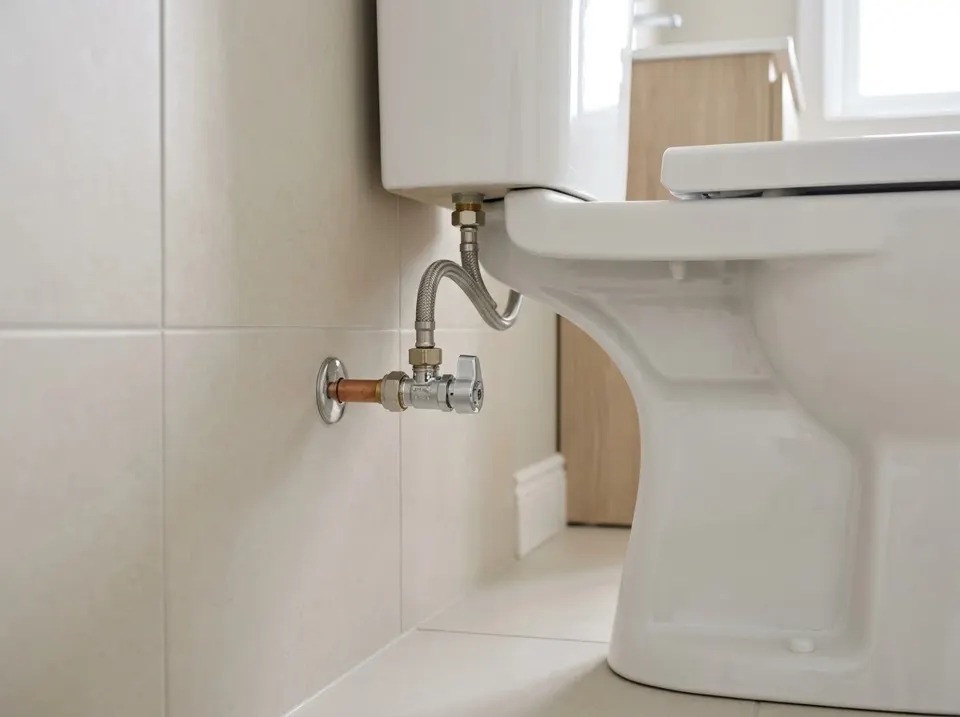
An accessible, working isolation valve on the supply pipe can be turned gently to stop water to the toilet. If it is stuck, damaged or out of reach, do not force it.
The flush valve, fill valve, float or another component may need inspection. Do not buy a replacement part before the mechanism and the fault have been identified.
Safety note
Never force a stiff valve or cistern lid. A broken valve can turn a running toilet into an active leak.
When to call a plumber
The toilet keeps running, the valve cannot be operated safely, the cistern is leaking, the fault returns after flushing, or the cause is uncertain.
Need help with a running toilet in Durbanville? Contact The Cape Town Plumber to arrange an assessment.
Call 079 291 740705 — Troubleshooting guide
Flushing problems can come from a faulty button or handle, a flushing mechanism that does not activate, a cistern that does not refill, or a blockage downstream.
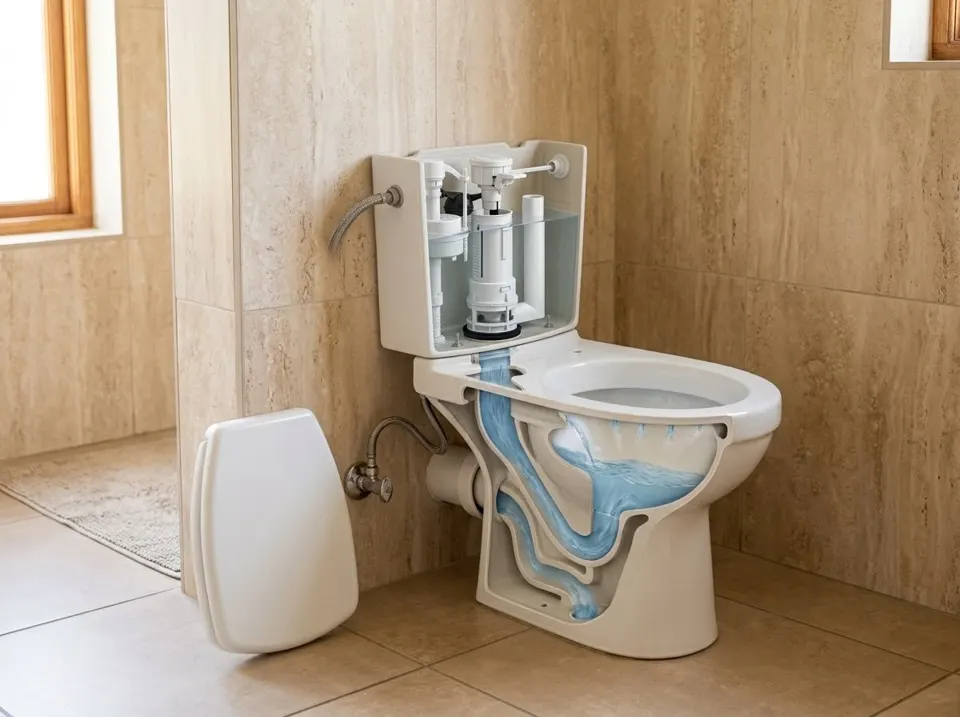
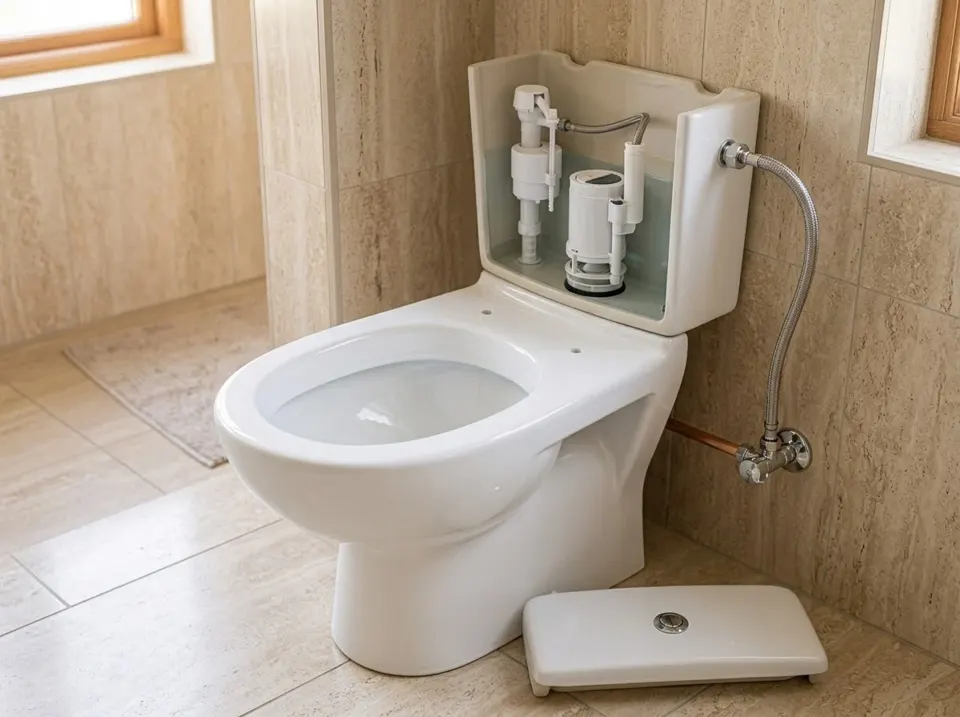
If the lid is designed to lift off easily, check whether the cistern holds water and whether it refills after flushing. Do not force a sealed or difficult lid.
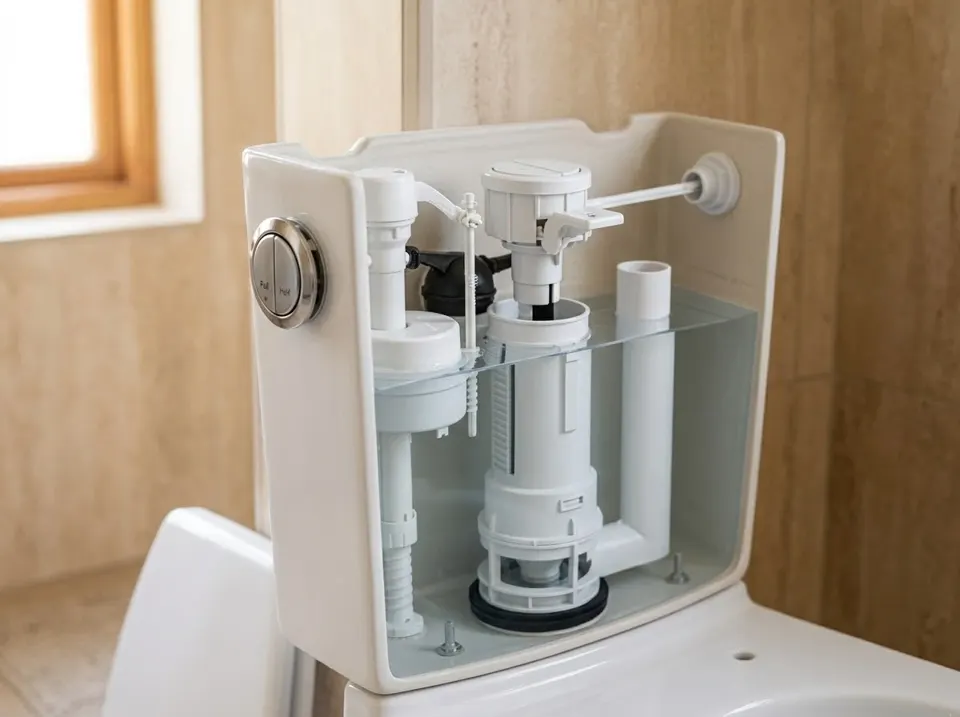
A loose or unresponsive button or handle may point to a problem with its operating mechanism. Do not force it or take apart unfamiliar parts.
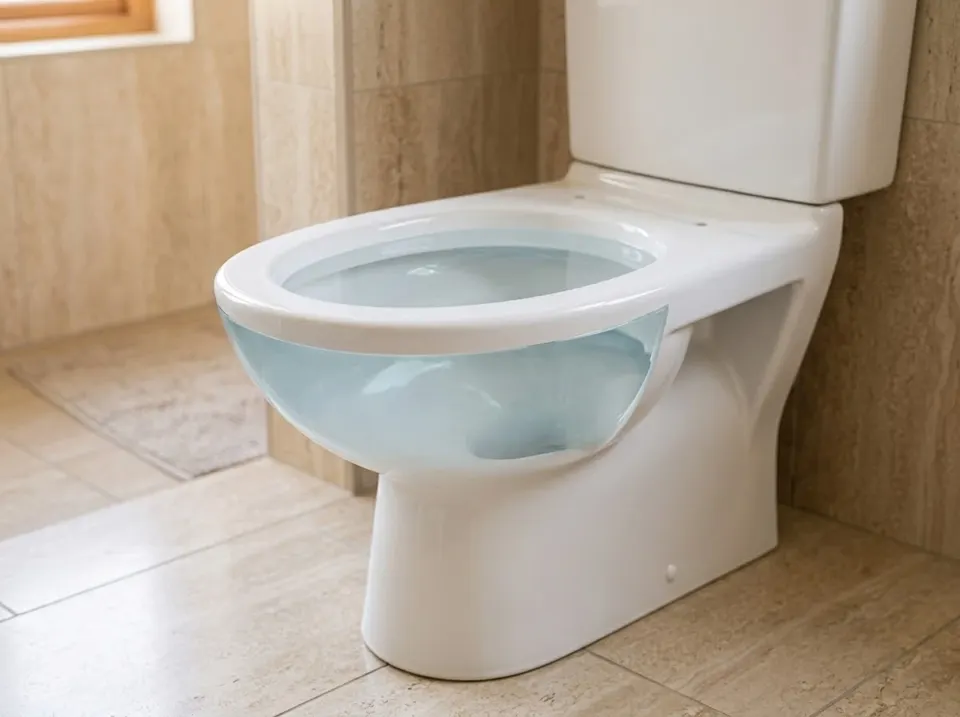
An unusually high bowl level, slow drainage or water rising after flushing may suggest a blockage. Do not keep flushing — it could overflow. Do not use chemical drain cleaners or improvised tools.
If the bowl is close to overflowing, water keeps rising, sewage is backing up or the cause is unclear, stop using the toilet and arrange professional help.
Safety note
Bowl water may be contaminated. Keep children and pets away and avoid direct contact.
When to call a plumber
A plumber can establish whether the problem lies in the flushing mechanism, the cistern supply or a blockage, and recommend the appropriate repair.
If your toilet won't flush properly, contact The Cape Town Plumber for toilet-repair help in Durbanville.
Call 079 291 740706 — Troubleshooting guide
Water near the toilet base should not be ignored. It may come from a supply connection, splashing, condensation or the toilet's waste connection. The source cannot be confirmed from where the water collects.
Avoid flushing while the source is uncertain, especially if the water level is rising or the leak is active.
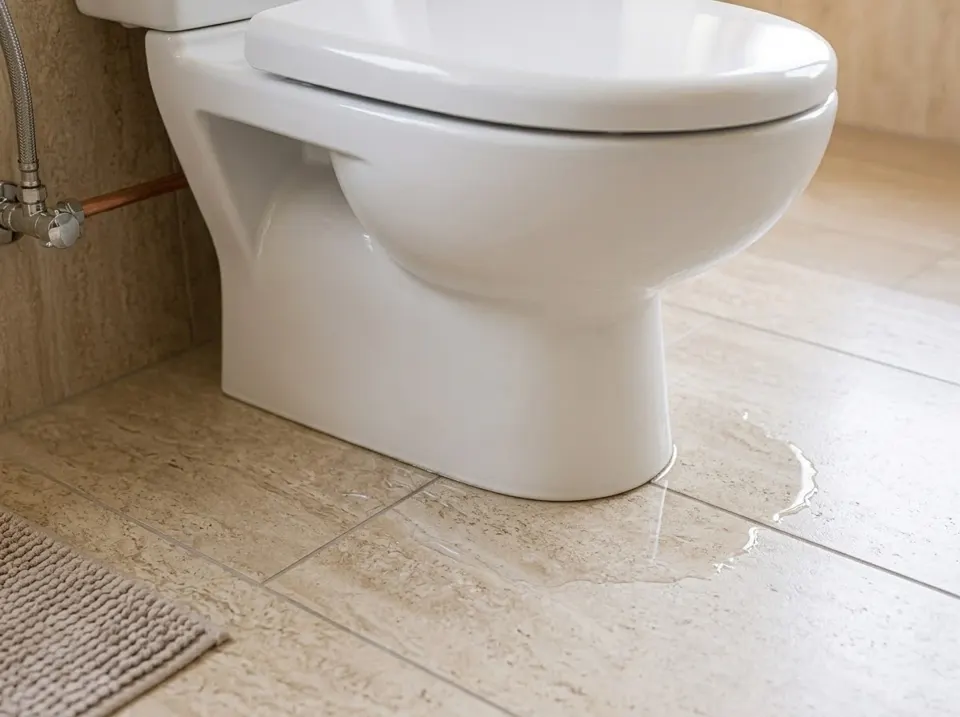
Note where water first appears without moving the toilet, reaching underneath it or dismantling any connection.
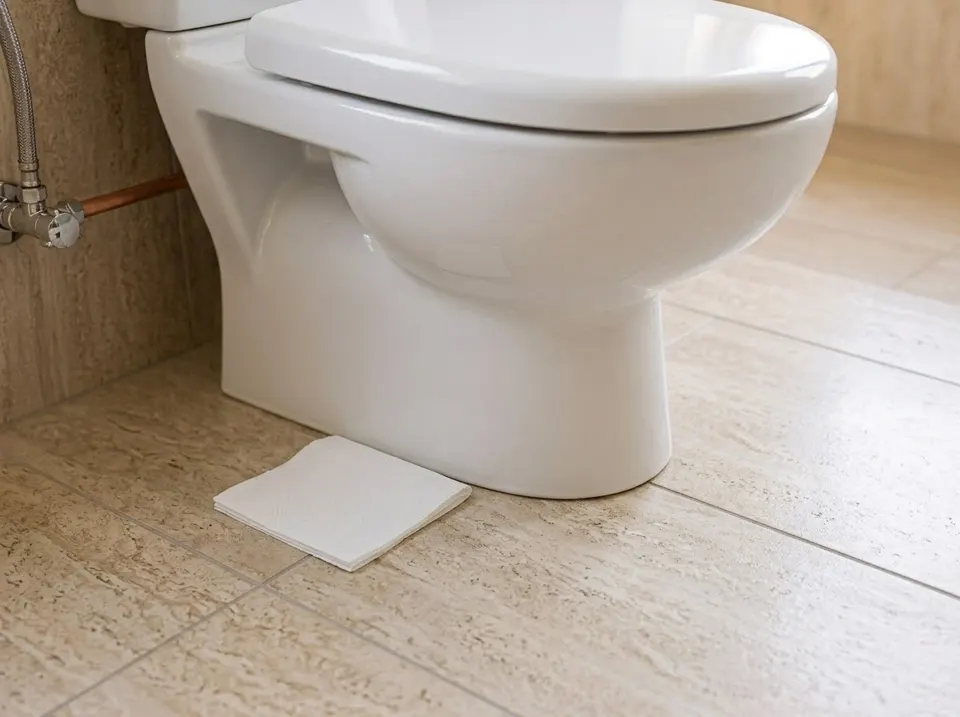
Carefully dry an accessible area and watch whether moisture returns, and where. This helps describe the symptom but is not a definitive test. Avoid contact with potentially contaminated water.
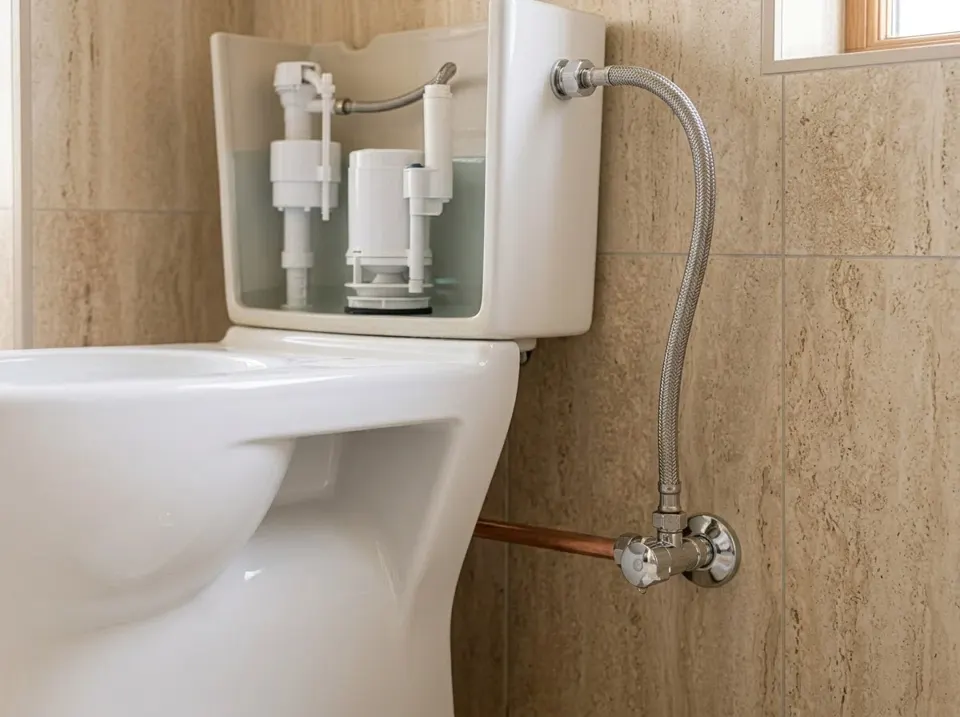
Water from a cistern supply fitting can run down surfaces and collect near the base. A plumber may need to trace it.
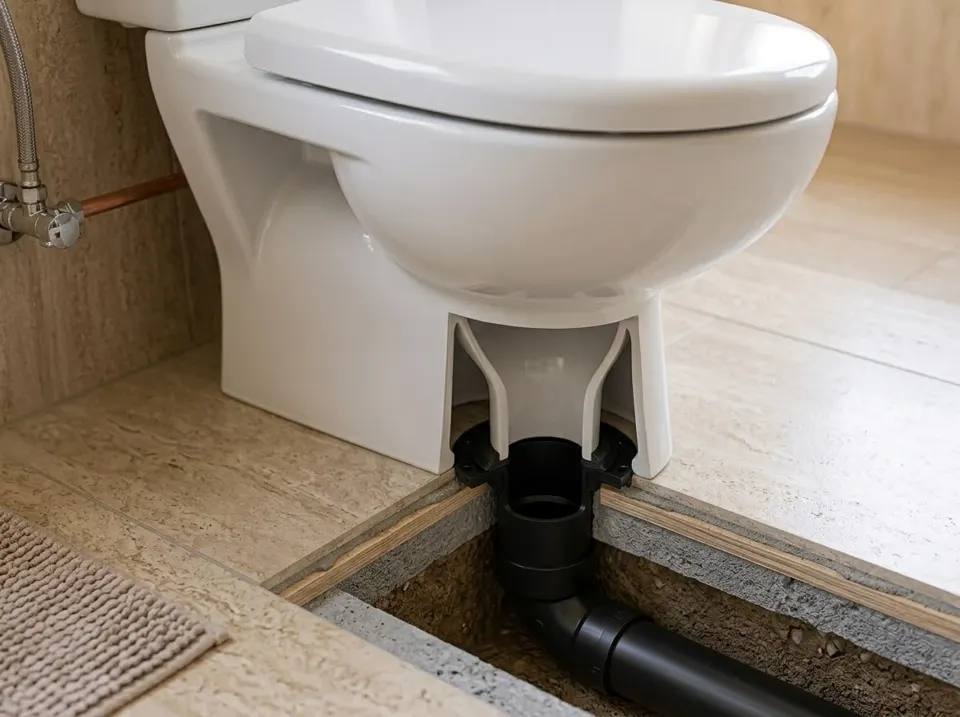
Silicone around the outside of the base neither finds nor fixes the cause, and hiding moisture makes the problem harder to identify. Not every base leak means a failed seal.
Safety note
Keep away from water that may be contaminated and protect the surrounding floor where practical.
When to call a plumber
Moisture returns, water appears during flushing, the leak persists, there is a sewage smell or visible contamination, or the source is unknown.
Concerned about a leaking toilet in Durbanville? Contact The Cape Town Plumber to arrange an assessment.
Call 079 291 740707 — Service area
We are a mobile plumbing service — a plumber comes to your home; we do not run a walk-in office in Durbanville. We attend toilet problems across Durbanville and neighbouring Northern Suburbs such as Sonstraal Heights, Kenridge, Eversdal, Aurora, Vierlanden and Durbanville Hills. The full list of areas is on our Durbanville service area page.
08 — How it works
Call or send a WhatsApp message describing the toilet problem. A photo or short video taken safely can help.
The fault and the appropriate repair are assessed before any work is agreed.
You receive a clear explanation and the applicable pricing before any agreed work goes ahead.
The standard call-out and assessment fee is R450 and is payable before dispatch. It covers attending and assessing the problem; it is not an automatic deduction from repair work, which is explained and priced for your approval first.
09 — Questions
Yes. When a toilet keeps running, water continues to pass through the cistern and into the bowl even though nobody is using it. A slow trickle can be easy to miss, but it carries on day and night until the cause is corrected, so the amount of water lost can add up over time. That is why a running toilet is worth attending to even when it seems minor. If the toilet can be isolated safely at an accessible valve, turning the supply off gently will stop the flow until it can be inspected. Do not force a stiff or damaged valve to do this.
A cistern that refills repeatedly is usually replacing water that is escaping somewhere. Common possibilities include a flush valve that is not sealing fully, a fill valve or float that is not shutting off at the right level, or a water level set high enough to spill into the overflow tube. These causes can sound and look similar from the outside, which is why the mechanism needs to be inspected before a part is replaced. Buying a replacement component before the toilet's mechanism and fault have been identified can lead to the wrong part being fitted.
First, avoid repeated attempts if the bowl water level is high, because this could cause an overflow. If the cistern lid is designed to lift off easily, you can look to see whether the cistern contains water and whether it refills after flushing. A cistern with water but a flush that does nothing may suggest a problem with the button, handle or flushing mechanism, while an empty cistern can point to the supply. A bowl that rises or drains slowly may suggest a blockage. Do not force a sealed lid, dismantle unfamiliar parts or use chemical drain cleaners; arrange an assessment instead.
No. Water near the base can come from a supply connection or fitting higher up, from splashing during use, from condensation on the cistern or pan, or from a problem with the waste connection under the toilet. Water can travel along surfaces before collecting, so where it pools does not prove where it started. Drying an accessible area and watching where moisture returns can help describe the symptom, but it is not a definitive test. Avoid contact with water that may be contaminated, and do not apply silicone around the outside of the base, as this can hide the source rather than fix it.
No. If the bowl water is unusually high, drains slowly or rises after flushing, another flush can push the level over the rim and spread contaminated water across the floor. Stop using the toilet and, where possible, avoid running water into fixtures that may share the same drainage line. Do not mix chemical drain cleaners or use improvised tools that could damage the pan or its connection. If wastewater is backing up, sewage is visible or several fixtures are affected, the restriction may be beyond the toilet itself and should be assessed promptly.
It depends on what has failed and on the condition of the toilet. Many faults involve individual components such as the fill valve, flush valve, button mechanism or supply connector, and these can often be addressed without replacing the whole toilet. In other cases, such as cracked ceramics, parts that are no longer practical to source or a homeowner who simply wants a different unit, replacement may be the better option. We do not assume either outcome from a description. The toilet is assessed first, and the options and pricing are explained before you decide.
Yes. The Cape Town Plumber is a mobile plumbing service attending homes in Durbanville and the surrounding Northern Suburbs, including Sonstraal, Sonstraal Heights, Uitzicht, Kenridge, Eversdal, Aurora, Vierlanden, Pinehurst, Durbanville Hills and nearby areas listed on our Durbanville page. We do not operate a walk-in office in Durbanville; a plumber comes to you. Call or send a WhatsApp message to 079 291 7407 with a short description of the problem so we can discuss the next step and arrange an assessment.
Yes. Similar toilet symptoms can have different causes, so a repair is only recommended once the toilet has been inspected. The standard call-out and assessment fee is R450 and is payable before dispatch. After assessing the fault, we explain what we found, what we recommend and the applicable pricing, and no further work goes ahead until you approve it. The assessment fee is not an automatic deduction from repair work. If a different problem, such as a deeper drainage fault, is identified, we will explain that too.
Tell us what is happening and we can help you arrange the appropriate next step.
Rated 4.9★ from 38 Google reviews · Leave a Google review