Homeowner guide · Geysers & insurance
Burst Geyser Insurance Claims: What to Do and What to Keep
If your geyser has burst, switch it off at the electrical board, stop the water and limit the damage first. Then photograph the damage, report the claim to your insurer and get the geyser assessed. This guide explains which photos and documents usually support a claim—your own policy decides what is covered.
A practical guide from The Cape Town Plumber (Pty) Ltd, serving Durbanville and the surrounding Northern Suburbs.
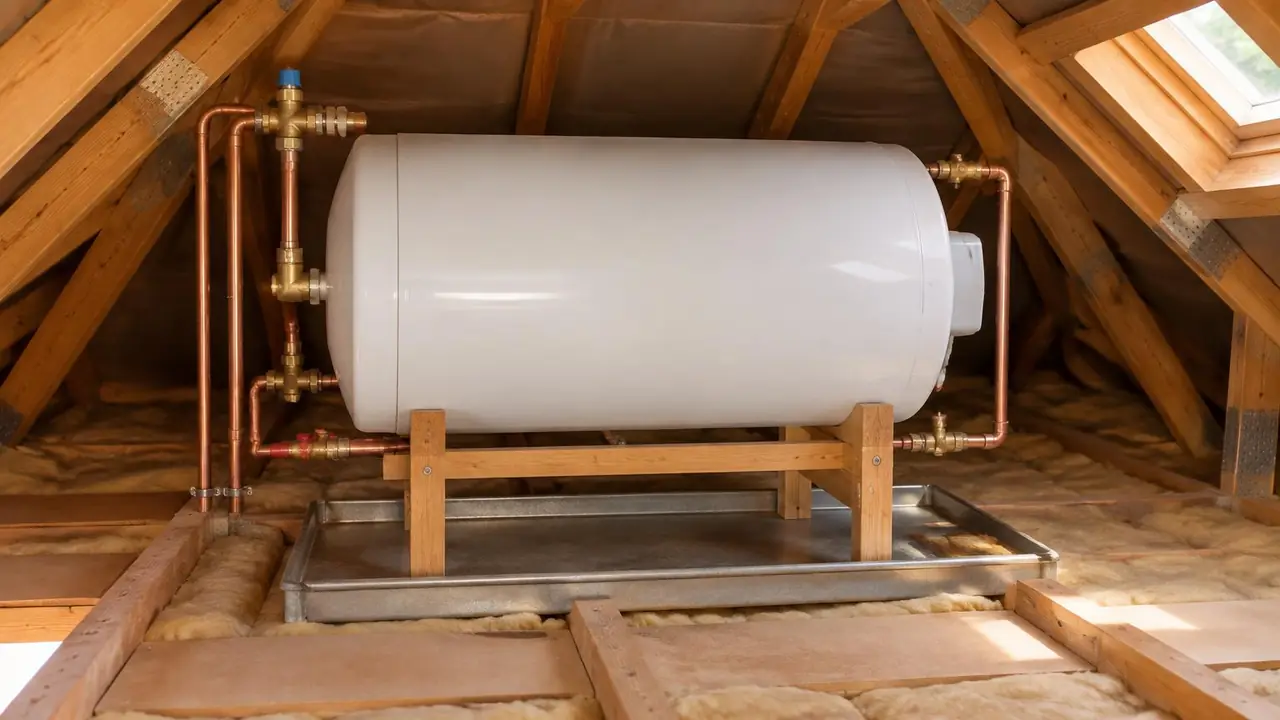
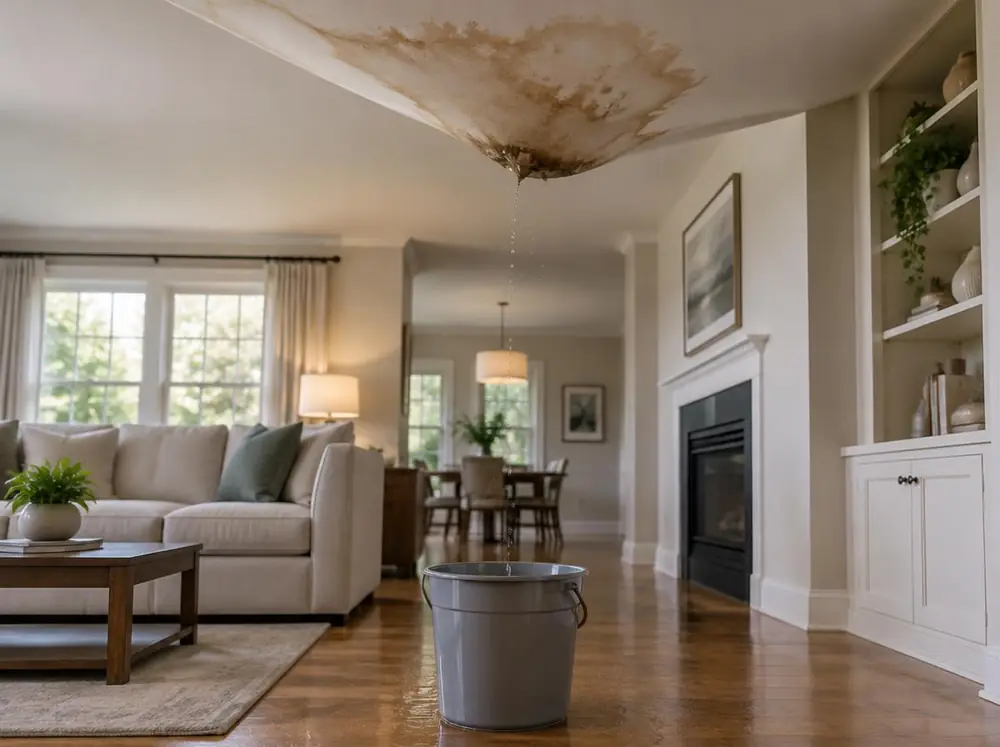
Images marked as illustrations are AI-generated, not photographs of customer properties or completed jobs. This guide is general information, not insurance or legal advice.
The first ten minutes after a geyser bursts
Safety and stopping the water come before paperwork. If water is pouring through a ceiling near lights or plugs, keep people out of that room.
- 01
Switch off the geyser at the electrical board
Turn off the geyser circuit breaker first. Water and electricity together are dangerous, and an element left on in a draining geyser can be damaged. Stay away from wet light fittings and switches.
- 02
Stop the water
Close the geyser's cold-water isolating valve if you can reach it safely. If you cannot, close the main stopcock for the property. Do not climb into a wet roof space in the dark.
- 03
Limit the damage
Move belongings away, put buckets under drips and take up wet rugs. Insurers generally expect reasonable steps to limit further damage, so do what is safe and note what you did.
- 04
Call your insurer and a plumber
Report the claim to your insurer and ask how they want it handled. Then call a plumber to assess the geyser. Our line is 079 291 7407, 24/7 for emergencies.
Need someone now? See emergency plumbing in Durbanville or call 079 291 7407.
Photos and documents to keep for your claim
Insurers differ, so ask yours what they need. These are the items commonly requested for a burst geyser claim.
| Item | What to capture | Why it helps |
|---|---|---|
| Damage photos | Ceilings, walls, floors, cupboards and belongings, before cleanup where safe. | Shows the extent of resultant water damage. |
| The geyser and failure point | Wide shot of the installation and a close-up of where it is leaking, if reachable safely. | Helps show what failed. |
| Rating plate | Clear photo of the manufacturer's plate on the geyser. | Records make, capacity and pressure rating. |
| Plumber's report | Written findings from the person who assessed it on site. | Explains what was found and the likely cause. |
| Quote and final invoice | Itemised work and materials. | Shows what the replacement or repair involved. |
| Certificate of Compliance | Plumbing CoC for the geyser installation once the work is logged. | Confirms the installation was certified. |
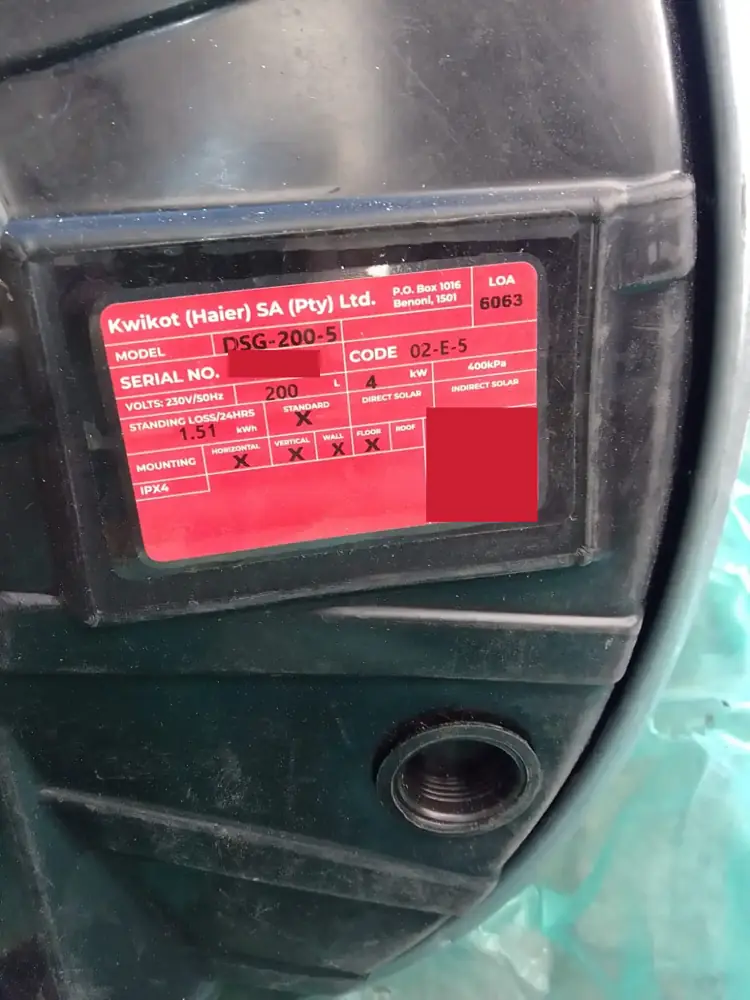
Find the rating plate
The manufacturer's plate is usually on the end or side of the geyser. It typically shows the capacity, element power and pressure rating. Photograph it only if you can reach it safely; your plumber can record it during the assessment.
What a plumber's assessment report covers
A useful report records what was found on site in plain terms. It should not guess at causes the evidence does not support.
- The property address and the date of the assessment.
- What was found: for example a leaking cylinder, a failed valve or a leaking fitting.
- The likely cause as observed on site, without guessing beyond the evidence.
- The condition of related parts such as valves, drip tray and overflow.
- What work is recommended, quoted clearly for your approval.
Get your geyser assessed in Durbanville
Repair or replacement is quoted clearly and agreed before work starts. See burst geyser replacement for how we handle the job itself.
Where the Certificate of Compliance fits in
A replaced geyser installation should be certified by a registered plumber, and insurers commonly ask for the plumbing Certificate of Compliance. It is only issued once the installation meets requirements. It may need to be logged first, so we aim to send it during the course of the day after the work.
If the electrical side needs certification, we can arrange an electrician. The electrical certificate is separate from the plumbing CoC. Read more about plumbing compliance and CoCs.
Not sure the geyser has burst? A dripping pipe outside may be a valve issue instead—see geyser overflow pipe dripping or geyser repairs and replacement.
Burst geyser insurance questions
Does home insurance cover a burst geyser?
Many South African building policies cover a burst geyser and the resultant water damage, less your excess, but cover depends entirely on your own policy wording. Some policies limit what they pay for the geyser itself, exclude wear and tear, or treat leaking valves differently from a burst cylinder. Read your policy schedule or ask your insurer or broker before assuming a claim will be paid. We can assess the geyser and give you a written report, but we cannot tell you whether your insurer will accept a claim.
Should I take photos before the plumber arrives?
Yes, where it is safe. Photograph damaged ceilings, walls, floors and belongings before you move or clean anything, then photograph the geyser and its rating plate if you can reach them without climbing into a wet or dark roof space. Take wide shots that show the room and close-ups that show detail. Keep the original files with their dates. Your safety comes first: switch off the geyser and stop the water before you start taking pictures.
Can I use my own plumber for an insurance claim?
That depends on your insurer. Some appoint their own assessor or service provider, while others allow you to use a plumber of your choice and submit the report, quote and invoice. Ask your insurer before work begins so the claim is not complicated later. In an emergency you should still make the property safe and stop the water straight away.
Why does the Certificate of Compliance matter?
A replaced geyser installation should be certified by a registered plumber, and insurers commonly ask for the plumbing Certificate of Compliance with the claim. A CoC is only issued once the installation meets requirements. It may need to be logged first, so we aim to send it during the course of the day after the work, unless something outside our control causes a delay. If the electrical side needs certification, we can arrange an electrician; the electrical certificate is separate from the plumbing CoC.
How is the assessment arranged?
Call-out details depend on your location and the job, so we confirm them with you directly by phone or WhatsApp before anyone is sent. Repair or replacement is quoted clearly and agreed before any work starts.