Water through the ceiling
Water stains, drips or a bulging ceiling below the geyser position, often near a passage or bathroom.
Emergency & Leak Finding
Geyser & Hot Water
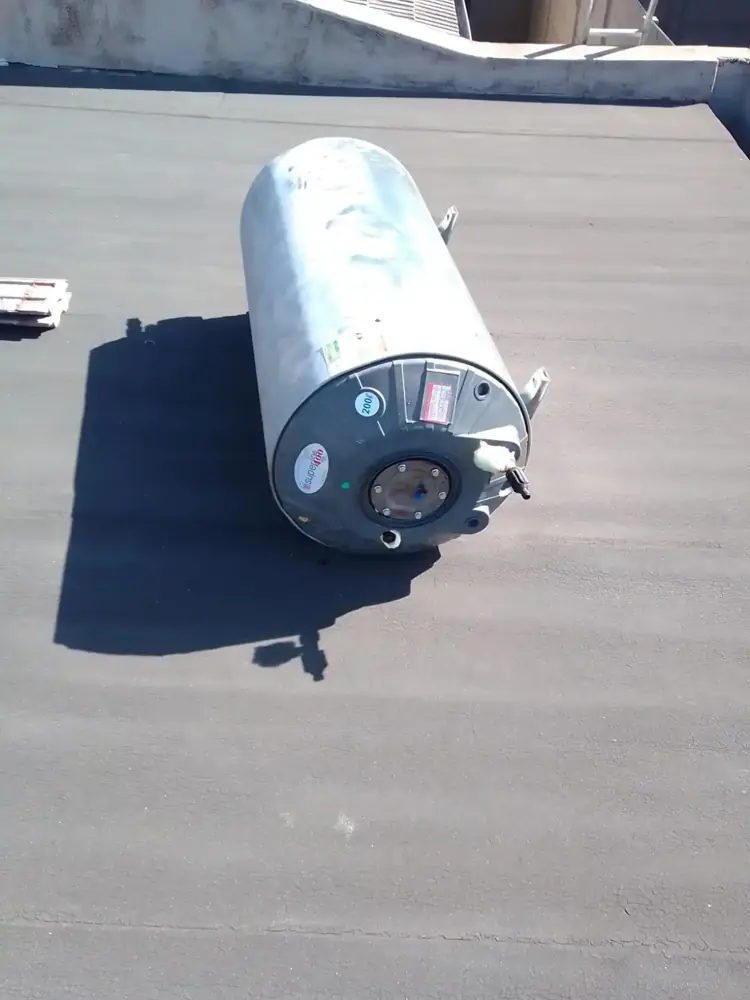
Water through the ceiling and no hot water usually means a burst or leaking geyser. Switch the geyser off at the board and close the water supply first. The Cape Town Plumber then assesses burst geysers in Durbanville and the Northern Suburbs, explains whether a repair or a replacement is needed, and agrees the price before work starts.
Professional workmanship · Clear written quotations · Work approved before proceeding · Rated 4.9★ from 44 Google reviews
01 — Do this first
Electricity and water together are the main danger. Do these in order and skip any step you cannot do safely.
Other emergencies →Turn off the geyser's isolator or breaker. Do not touch wet switches, plugs or ceiling lights; if the board itself is wet, keep away and call us.
Close the isolating valve on the cold-water pipe into the geyser if you can reach it safely. If not, close the main stopcock for the property.
Opening a hot tap at a basin or bath can help relieve pressure in the hot-water side once the supply is closed.
Move furniture and electronics away from the wet area and place buckets under drips. A sagging ceiling can hold water — keep people out from under it.
Photograph the ceiling, the wet area and, if safe from the hatch, the geyser. Insurers often ask for this record.
02 — Is it the geyser?
Water stains, drips or a bulging ceiling below the geyser position, often near a passage or bathroom.
Steady water from the tray outlet outside means water is reaching the tray from above — the vessel or a connection may be leaking.
Water reaching the element or wiring can trip the electricity supply. Leave it off until assessed.
Hearing water running in the roof with every tap closed can mean the geyser is refilling a leak.
Just a drip from an outside pipe? That is often a different problem — see geyser overflow pipe dripping.
03 — How it works
Not every leaking geyser needs replacing. We find what actually failed first, then explain your options.
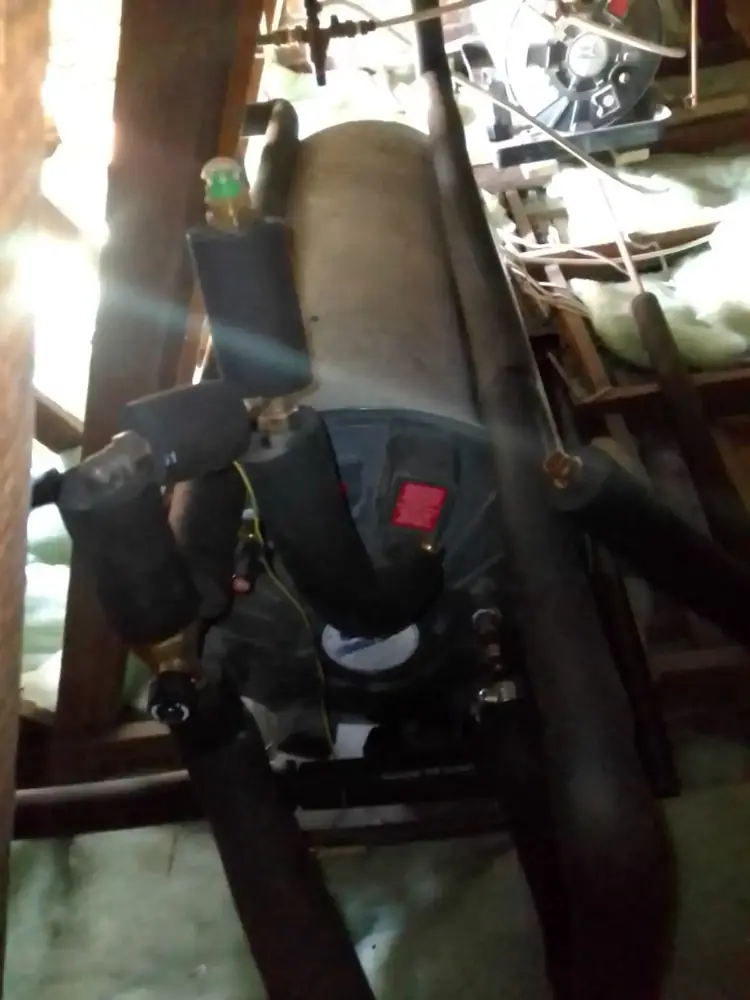
We confirm the water and electricity are isolated, find where the water is coming from and check whether the geyser vessel itself has failed or whether a valve or connection can be repaired.
You are told what failed and what the options are — repair where that is sound, or replacement where the vessel has failed. The price is agreed before work begins.
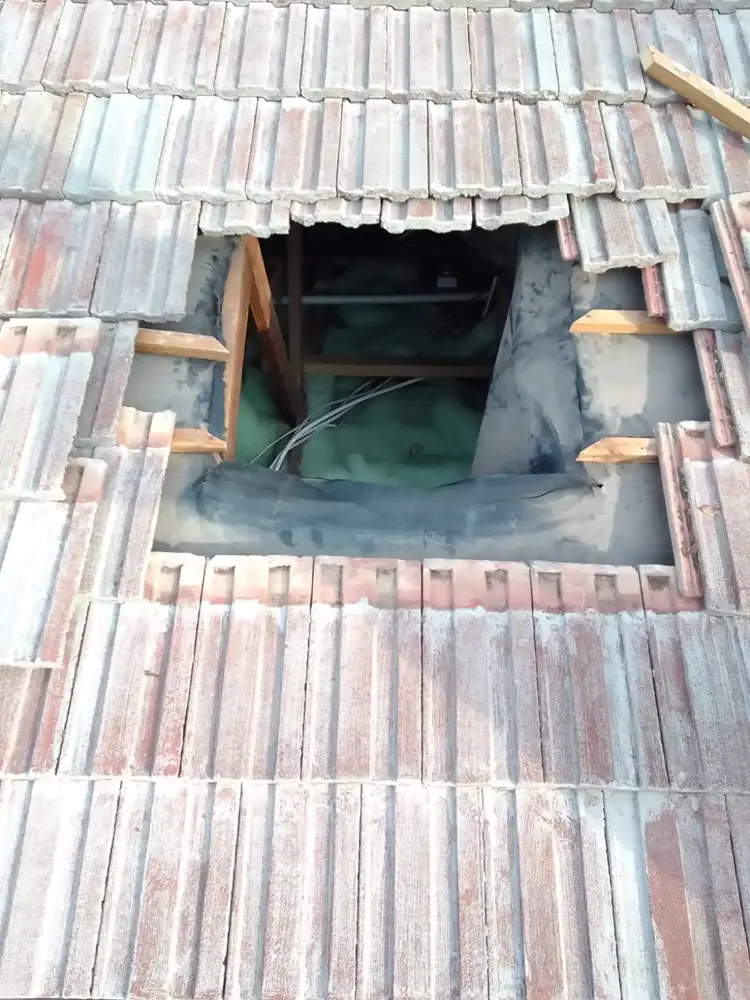
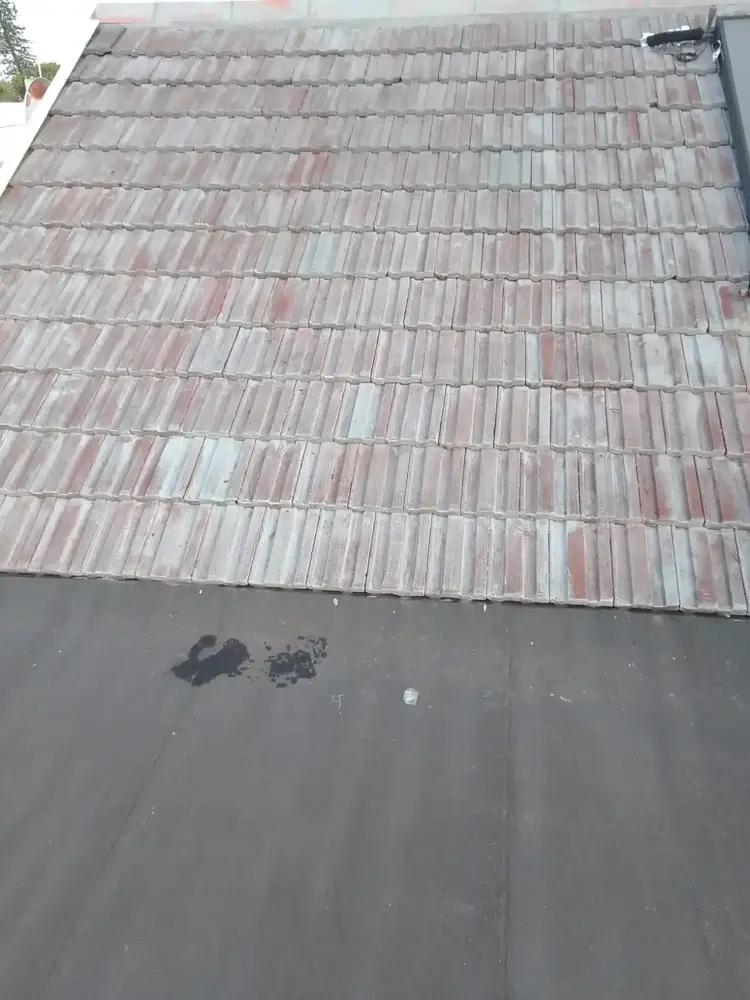
Depending on the home, the geyser is reached through the ceiling hatch or, where it cannot pass through, through a section of roof tiles that is lifted and reinstated afterwards.
The failed geyser is drained and removed, and the new unit is placed and connected with its valves, drip tray and pipework.
The system is refilled, checked for leaks and tested before power is restored. A geyser installation needs a Certificate of Compliance; it is logged and sent during the course of the day.
04 — Insurance records
Requirements differ between insurers, so check with yours. We do not work for any insurer and cannot say whether a claim will be paid.
More on certificates: plumbing compliance & CoC.
Claiming through insurance? Read our burst geyser claim guide →
05 — Pricing
Call-out details are confirmed with you directly by phone or WhatsApp. The repair or replacement is quoted clearly and agreed before any work starts, with professional workmanship and suitable materials.
We attend across Durbanville and nearby Northern Suburbs, including estates and complexes. See our Durbanville service area and the full geyser repairs & replacement page.
06 — Questions
Switch the geyser off at the distribution board first, then close the cold-water supply to the geyser or the main stopcock, and call a plumber. Electricity and water together are the main danger, so never touch wet switches, plugs or light fittings, and keep people out from under a ceiling that is sagging or dripping. Once the power and water are off, opening a hot tap can help relieve pressure in the hot-water pipes. Move belongings away from the wet area, put buckets under drips and take photos of the damage before anything is cleaned up, because insurers usually ask for them. If you cannot find the geyser breaker or the stopcock, tell us when you call and we will talk you through what to look for. Do not climb into the roof space to inspect the geyser yourself: wet ceiling boards can give way, and the geyser and wiring should only be handled once everything is isolated. When you call 079 291 7407, tell us your suburb, where the water is coming from and whether the power has tripped.
No. Not every leak from a geyser means the geyser itself has failed. Water can come from a relief valve, a vacuum breaker, a pipe connection or the drip tray, and some of those faults can be repaired without replacing the whole unit. Replacement is usually needed when the inner vessel — the tank that holds the water — has split or corroded through, because that cannot be repaired. That is why we assess first: we isolate the system, trace where the water is actually coming from and then explain what failed and what the options are. You get a clear explanation and an agreed price before any work starts. If the vessel is sound and a valve or fitting is at fault, a repair is quoted instead. If the geyser is old and showing other problems, we will tell you so honestly, but the choice of repair or replacement is yours.
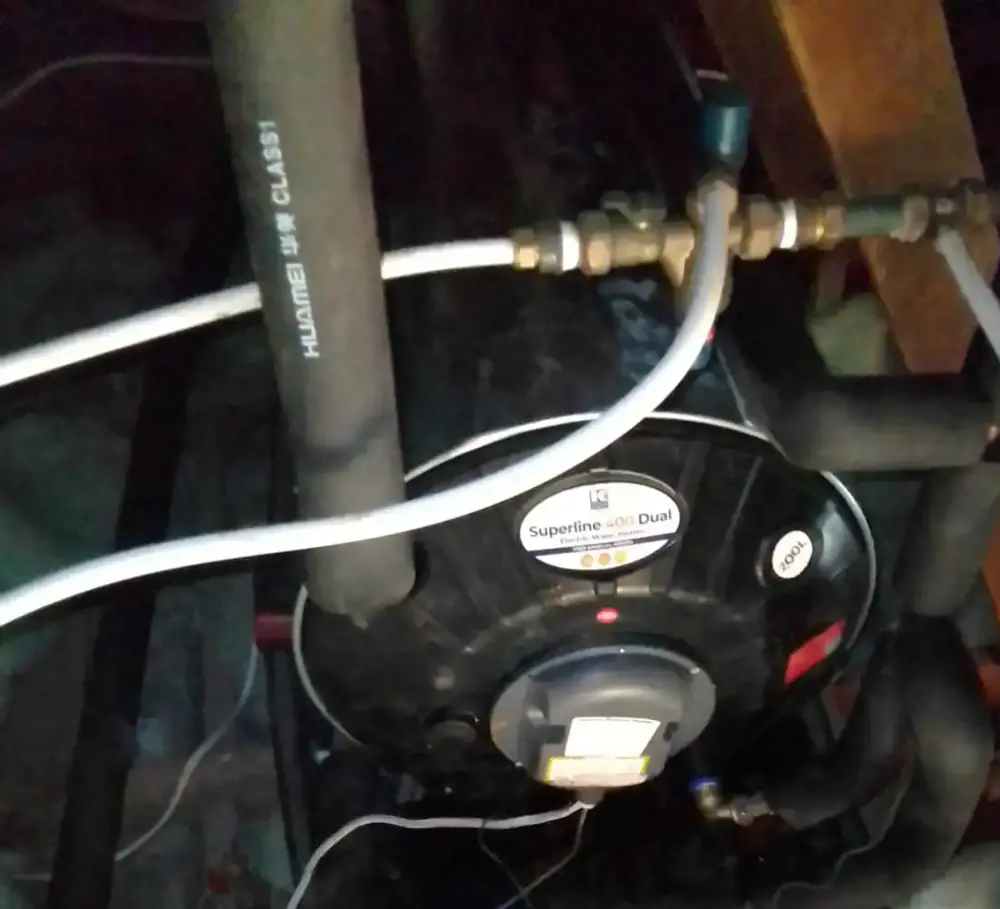
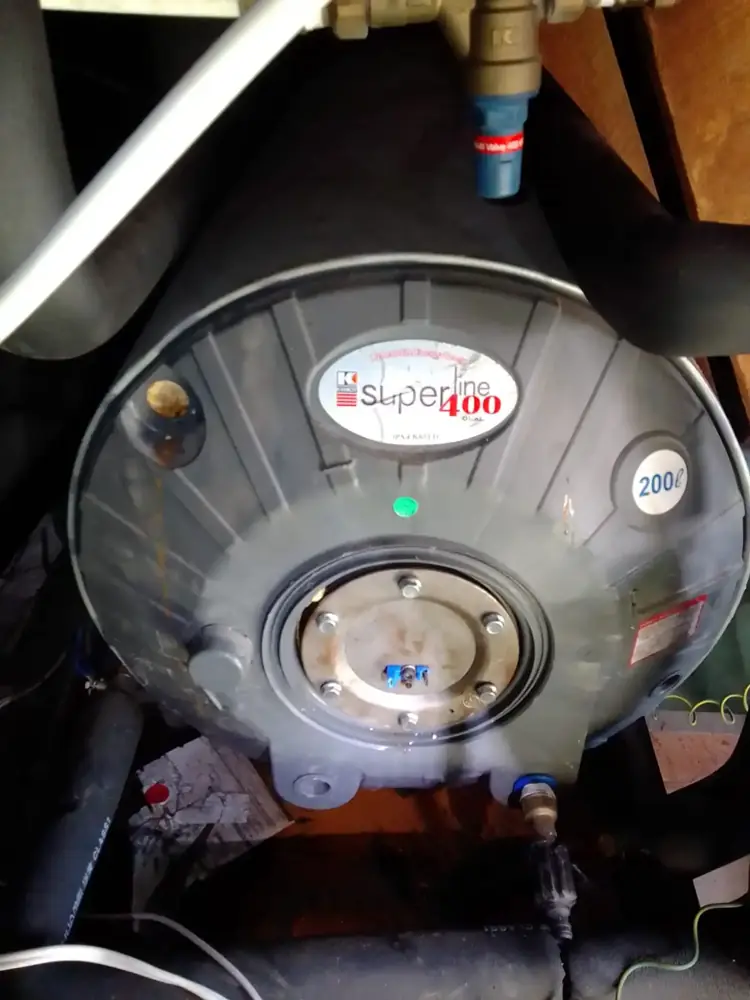
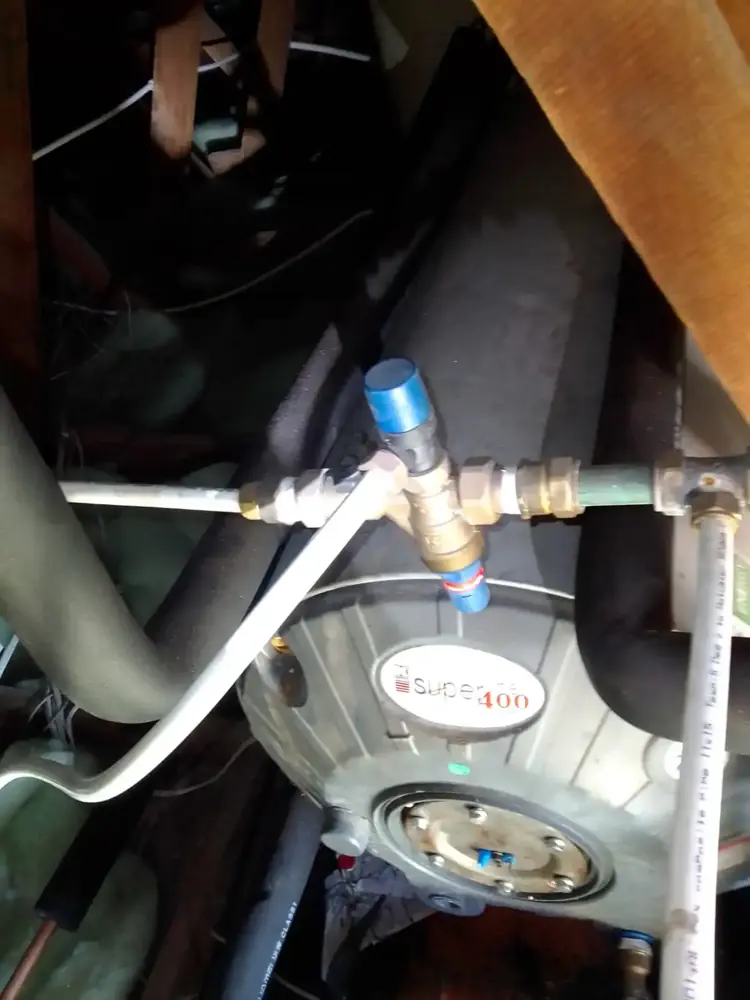
Most geysers in Durbanville homes sit in the roof space, so access is the first part of the job. Where the old and new geysers can pass through the ceiling hatch, that is the route used. Where the hatch is too small or the roof space too tight, a section of roof tiles is lifted to make an opening, and the tiles are reinstated once the work is done. The failed geyser is drained and removed, the new unit is placed on a drip tray and connected with its valves and pipework, and the system is refilled and checked for leaks before the power is restored. The electrical connection of a geyser is electrical work; where the electrical side needs attention, a qualified electrician is arranged. Every home is different, so roof type, ceiling condition and the position of the geyser affect how the job is done, and these are explained when we assess and quote. The photo gallery on this page shows the stages of one such roof-access replacement.
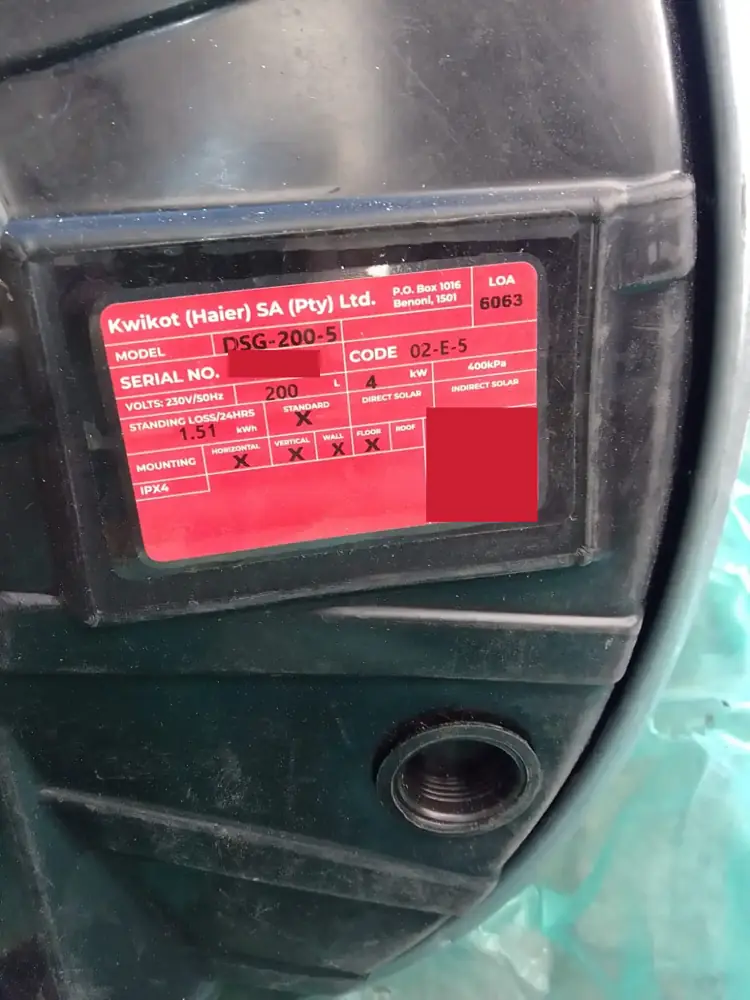
Insurers and their assessors commonly ask for photos of the damage, a report from the plumber explaining what failed, the quote and final invoice, and the Certificate of Compliance for the geyser installation. Requirements differ between insurers and policies, so check with your insurer or broker before work starts where you can — some want to approve the quote or send an assessor first. We do not work on behalf of any insurer and cannot confirm whether a claim will be paid, but we can provide a clear written description of what we found and what was done, along with our quote and invoice. The Certificate of Compliance is logged after the work and sent during the course of the day, not on the spot. Taking photos of the ceiling, floor and belongings before cleanup, where it is safe, makes the process easier. Keep the old geyser's details if you can, because some insurers ask about its age or size.
Yes. We attend burst geysers in homes across Durbanville and nearby Northern Suburbs, including properties in estates and complexes. In an estate, gate access and contractor rules can affect how quickly work can begin, so let us know if a gate pass, a body-corporate notice or a managing agent's approval is needed. In complexes, the water shut-off for your unit may be separate from, or shared with, other units, and the roof space may be shared too; tell us what you know when you call so we can plan the visit. If the water cannot be isolated to your unit alone, the managing agent or body corporate may need to be involved before the supply to the building can be closed. More guidance for estate homes is on our Durbanville service area page. When you call 079 291 7407 or send a WhatsApp, include your suburb or estate name and a photo of the wet area if you can take one safely.
Prefer a call back?
We attend burst geysers in Durbanville and nearby Brackenfell and Kraaifontein. Leave your number and we will call you back. If water is still coming through the ceiling, switch the geyser off at the board and close the water supply first — or call us directly.
07 — Real job photos
These photos are from a geyser replacement we completed outside Durbanville. They show the stages of a roof-access job; every home is different.
Switch it off, close the water and call us. Tell us your suburb and where the water is coming from.
Rated 4.9★ from 44 Google reviews · View our Google profile
Take a photo or short video of the leak, geyser, toilet or fitting and WhatsApp it to 079 291 7407 with your suburb. We will look at it and tell you the next safe step.