Skip to content
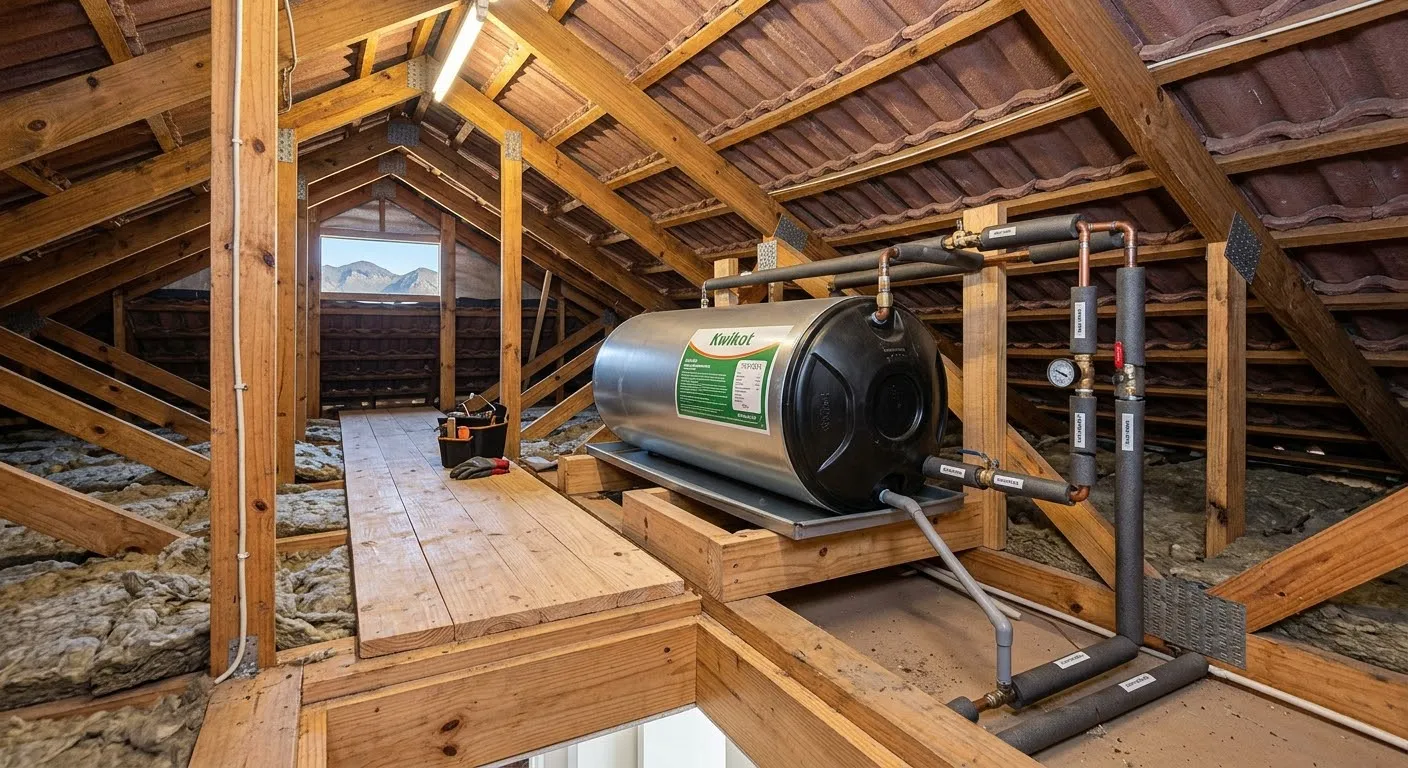
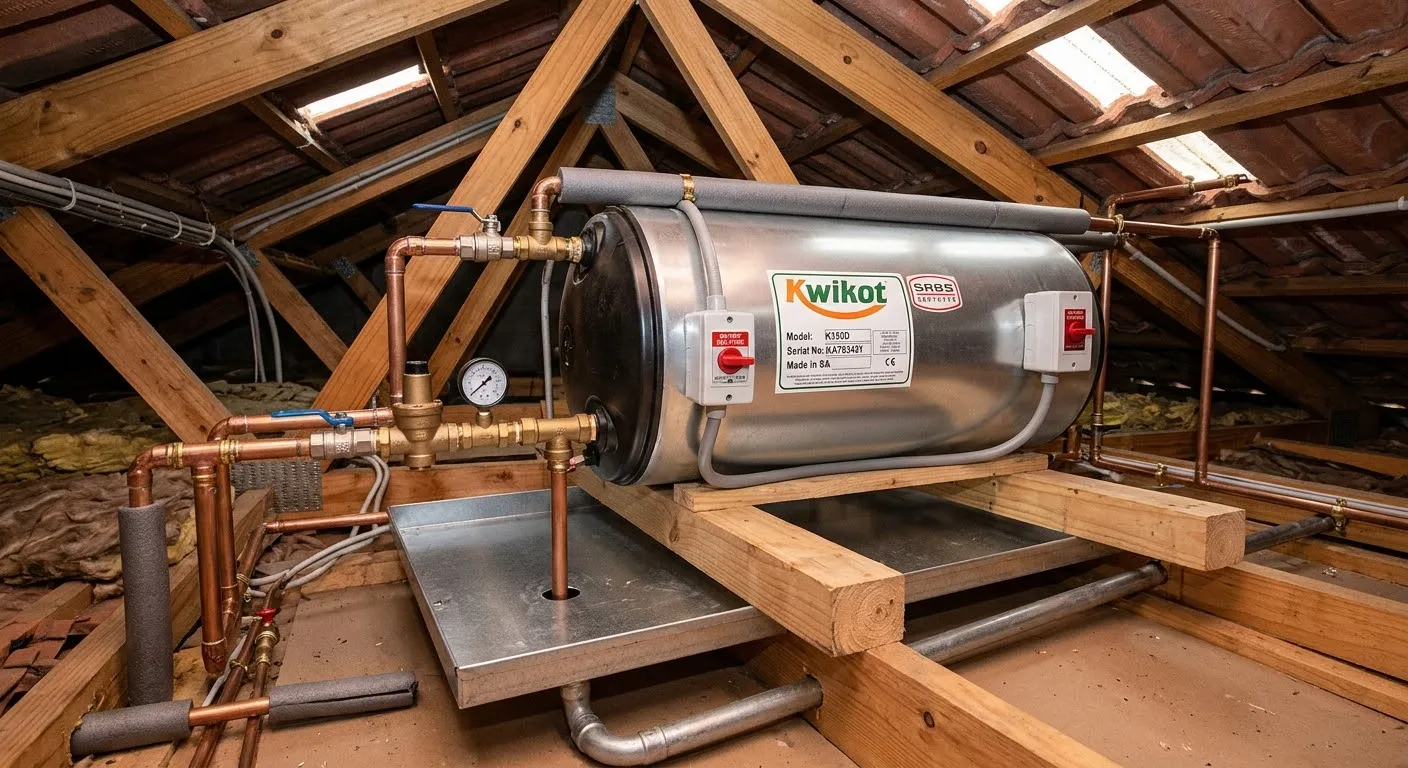
Horizontal geyser in a roof space with drip tray, pressure valve and overflow pipework

Geyser Overflow Pipe Dripping in Durbanville.

A drip from a geyser outlet can be normal expansion water — or an early warning of a valve, pressure or leak problem. The difference is in the pattern. The Cape Town Plumber assesses dripping geyser outlets for homeowners in Durbanville and the Northern Suburbs, and explains the cause before any repair is done.

Professional workmanship · Clear written quotations · Work approved before proceeding · Rated 4.9★ from 44 Google reviews

01 — Know the pipes

Not every geyser pipe means the same thing.

A geyser installation can have more than one outlet to the outside. Which pipe the water comes from changes what the drip is likely to mean.

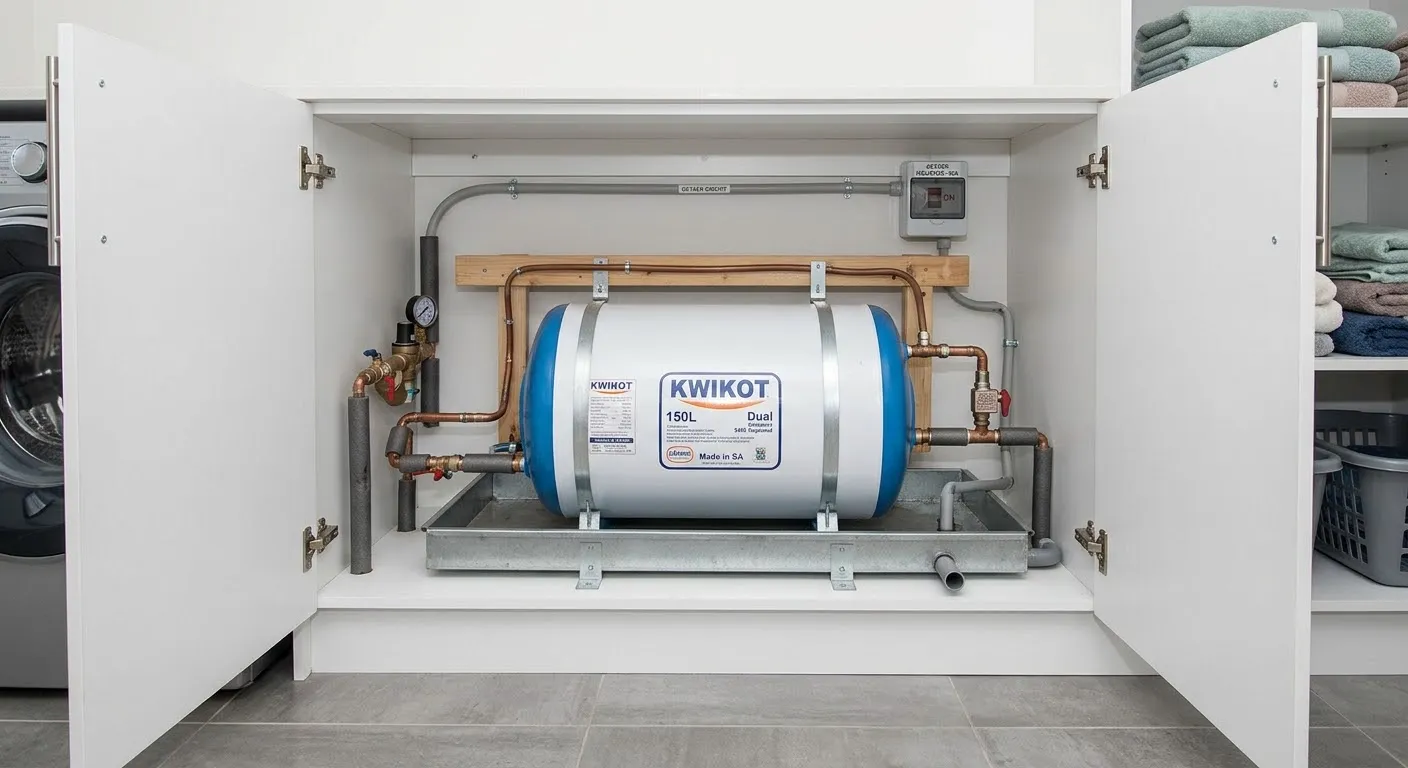
Geyser installed in a cupboard with a metal drip tray and overflow outlet
01

Pressure-relief valve outlet

The temperature and pressure-relief valve is a safety device. A small amount of water during or shortly after heating can be part of normal operation, as water expands when it heats. Persistent or heavy discharge is different and should be assessed.

02

Drip tray outlet

The tray under the geyser catches water from leaks or condensation and carries it away. Water from this pipe means water is reaching the tray, so the source above it needs to be found.

03

Other visible pipework

A drip at an exterior wall may also come from a connection, valve or pipe joint rather than a relief device. The visible drip point is not always the source of the water.

02 — Diagnostic triage

Quick-reference: what your drip pattern may mean.

This matrix is a guide, not a diagnosis. The geyser and the system pressure must be tested to confirm the cause. Use it to describe your situation when you call or WhatsApp.

Roof-space geyser on a timber platform with insulated pipework and drip tray drain
Discharge patternWater temperatureLikely subsystemUrgencySafe action
Small drip after hot-water useWarmPressure-relief valve (expansion)LowObserve and note the pattern
Constant drip, day and nightWarm to hotRelief valve or supply pressureMediumBook an assessment
Strong flow or streamHot — scald riskRelief valve fault / overheatingHighKeep clear, call now
Water from drip tray pipeVariableVessel, connection or valve above trayMedium–HighBook an assessment
Drip + no hot water or trippingVariableHeating / electrical + valveHighDo not touch, call now

Swipe the table sideways to see every column.

03 — Symptom guide

What the drip pattern may be telling you.

These are common possibilities, not a diagnosis. The geyser and the system pressure need to be checked to confirm the cause.

What you noticeWhat it looks likePossible reasonNext step
A few drips after hot water has been usedIntermittent, small amounts, often after a bath, shower or heavy hot-water use.This can be expansion water released while the geyser reheats. It should be observed, not ignored, especially if it changes.Watch the pattern
A steady drip that never stopsThe pipe drips continuously, day and night, regardless of hot-water use.A relief valve may not be reseating, or incoming water pressure may be too high for the installation. Neither should be assumed without testing.Relief valve or pressure
A strong flow or streamWater runs from the pipe rather than dripping.The relief valve may be discharging under a fault condition such as excessive pressure or overheating. Treat this as urgent and keep clear of scalding water.Urgent — call
Water from the drip tray pipeWater appears from the pipe leading from the tray beneath the geyser.Water is collecting in the tray from somewhere above: a vessel leak, a connection, a valve or condensation. The source must be traced.Leak above the tray
Dripping plus no hot water or tripping powerThe drip comes with other symptoms such as lukewarm water or a tripped breaker.Combined symptoms can indicate a heating or electrical fault alongside the discharge. Do not open covers or attempt electrical testing yourself.Assessment needed

Swipe the table sideways to see every column.

04 — What to do now

Your 4-step safe protocol.

These steps help you stay safe and give us the information that makes the assessment faster. Do them in order — and stop at any step you are unsure about.

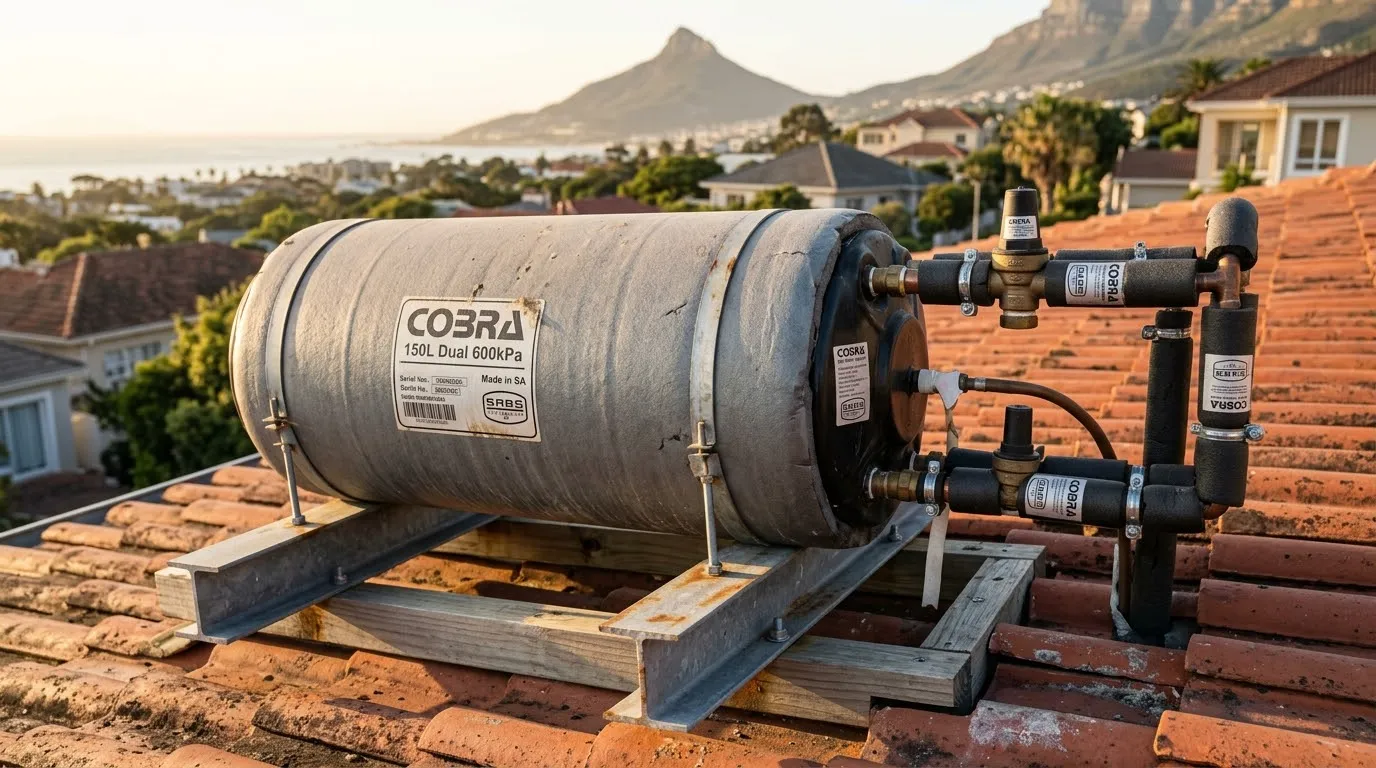
Geyser mounted on a tiled roof with insulated pipework and pressure valve
  1. 01

    Observe from the ground

    Look at the dripping pipe from a safe distance on the ground. Note whether the drip is from the relief valve outlet, the drip tray pipe or another fitting. A photo from ground level — not from inside a ceiling — is useful.

  2. 02

    Check the electrical board

    If the water is hot or steaming, or you suspect overheating, switch the geyser breaker off at the main distribution board. Do not enter the ceiling or open the geyser casing.

  3. 03

    Try the cold-water isolation valve

    If the valve supplying cold water to the geyser is accessible without climbing or entering a wet space, close it gently. Do not force a stiff valve. This slows incoming water but does not empty the geyser.

  4. 04

    Send a WhatsApp with your observations

    Describe when the drip happens, which pipe it comes from, and how much water. Attach the photo. This information helps us prepare for the assessment.

05 — Safety reminders

What you can safely do — and what to leave alone.

The most useful thing you can do is observe the pattern and keep people safe. Relief outlets are safety devices — leave them alone.

Water escaping heavily? Emergency guidance →
  1. 01

    Note the pattern

    When does it drip — after hot-water use, constantly, or only at certain times? How much water is it? This description genuinely helps the assessment.

  2. 02

    Keep clear of scalding water

    Water from a geyser outlet can be very hot. Keep children and pets away and do not place hands or containers under a discharging pipe.

  3. 03

    Never block or tie off the pipe

    Do not plug, cap, clamp or tie up an overflow or relief outlet. These are safety paths. A blocked relief outlet removes the protection it provides.

  4. 04

    Isolate only if safely accessible

    If water is escaping heavily and the cold-water supply valve to the geyser can be reached without risk, it can be closed gently. Do not force a stiff valve, and do not enter a wet ceiling or roof space.

  5. 05

    Do not adjust the relief valve

    Do not open, test-lever, tighten or adjust a pressure-relief valve yourself, and do not open the geyser casing or electrical covers.

06 — Pricing

Assessed first, priced before work.

Call-out details are confirmed with you directly by phone or WhatsApp. After the geyser and dripping outlet are assessed, any repair is explained and quoted for your approval before it goes ahead, with professional workmanship and suitable materials.

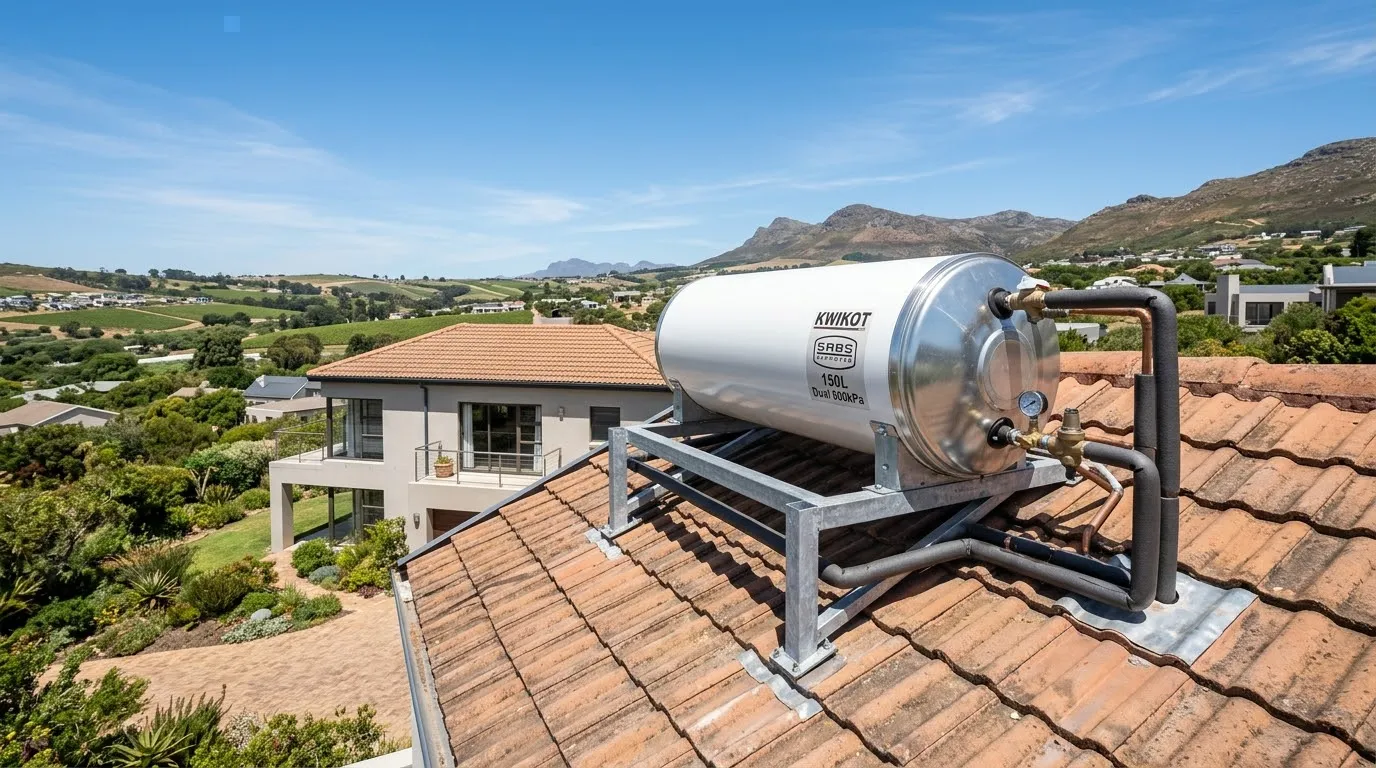
Rooftop geyser with valves and insulated pipework on a tiled roof

07 — Service area

We are a mobile plumbing service — a plumber comes to your home; we do not run a walk-in office in Durbanville. We attend geyser problems across Durbanville and nearby Northern Suburbs such as Sonstraal Heights, Kenridge, Eversdal, Aurora and Durbanville Hills. See every area on our Durbanville service area page.

Other geyser symptoms — no hot water, a leaking vessel or a possible replacement — are covered on our geyser repairs and replacement page.

08 — Questions

Dripping overflow questions.

Is it normal for a geyser overflow pipe to drip?

A small, intermittent drip can be normal. Water expands as it heats, and the pressure-relief valve is designed to release a little water during or after the heating cycle to relieve that expansion. What is not normal is a drip that never stops, a steady stream, or a sudden change in the pattern. Those can point to a relief valve that is no longer reseating, incoming water pressure that is too high, or another fault. Because the same pipe can carry normal and abnormal discharge, a change in behaviour is worth having assessed rather than assumed safe.

Why is my geyser overflow pipe dripping constantly?

A constant drip usually means the relief valve is being held open or is passing when it should be closed. Common possibilities are a worn or fouled valve seat, debris caught in the valve, or supply pressure that exceeds what the installation is designed for. Less commonly, a control fault can cause overheating, which also discharges through the valve. The correct repair differs for each cause, so the valve and the system pressure need to be checked before a part is replaced. Fitting a new valve when the real problem is excessive pressure will not solve it.

Can I block or tie up a dripping geyser overflow pipe?

No. The overflow and relief outlets are safety paths. Blocking, capping, clamping or tying them up stops water you can see, but it also stops the relief device from protecting the geyser against excessive pressure or temperature. That can turn a visible drip into a dangerous hidden condition. The drip is a symptom to be assessed, not a nuisance to be sealed. If the dripping is heavy or the water is hot, keep people clear and arrange an assessment rather than attempting any makeshift fix.

What is the difference between the overflow pipe and the drip tray pipe?

A typical installation has more than one outlet. The pressure-relief valve outlet carries water the valve releases, which can be normal in small amounts during heating. The drip tray under the geyser has its own outlet, and water from that pipe means water is collecting in the tray from a leak, a connection, a valve or condensation above it. Water from the tray outlet is never something to ignore, because it means water is escaping somewhere it should not. Telling us which pipe the water comes from, or sending a photo, helps narrow the assessment.

Is a dripping geyser overflow an emergency?

A small intermittent drip is usually not an emergency, though it should be noted and assessed if it persists or worsens. It becomes urgent when water flows strongly or continuously, when the water is very hot and could scald, when water is also appearing in the ceiling or near electrical fittings, or when the drip comes with other faults such as no hot water or tripping power. In those cases keep clear of the water, isolate the supply only if a valve is safely accessible, and call. Do not enter a wet ceiling space or touch electrical equipment.

Will the plumber just replace the valve?

Only if the assessment shows the valve is the cause. A dripping outlet can come from the valve itself, from excessive incoming pressure, from a control fault or from water travelling from elsewhere. Replacing the valve without checking the rest can leave the real cause in place, and the new valve may then drip too. The assessment looks at the valve, the pressure conditions and the wider installation, and the recommended repair is explained and priced for your approval before any work goes ahead.

How much does it cost to fix a dripping geyser overflow in Durbanville?

There is no honest fixed price before the cause is known, because the repair could be as simple as a valve or could involve pressure control or other work. After assessing the geyser, we explain what we found, what we recommend and the applicable pricing, and no repair goes ahead until you approve it.

Do you attend dripping geysers in Durbanville and nearby suburbs?

Yes. The Cape Town Plumber is a mobile plumbing service attending homes in Durbanville and the surrounding Northern Suburbs, including Sonstraal Heights, Uitzicht, Kenridge, Eversdal, Aurora, Vierlanden, Pinehurst and Durbanville Hills. We do not operate a walk-in office in Durbanville; a plumber comes to you. Call or send a WhatsApp message to 079 291 7407 describing the drip — when it happens, how much water and which pipe it comes from. A photo taken safely from the ground can help us prepare for the assessment.
Overflow still dripping in Durbanville?

Tell us when it drips, how much water and which pipe it comes from — or send a photo taken safely from the ground — and we will arrange an assessment. We also assess overflow pipes in nearby Bellville and Welgemoed.

Rated 4.9★ from 44 Google reviews · View our Google profile

Not sure what has failed?

Take a photo or short video of the leak, geyser, toilet or fitting and WhatsApp it to 079 291 7407 with your suburb. We will look at it and tell you the next safe step.

WhatsApp a photo