Homeowner guide · Geyser pressure & valves
Geyser Pressure Problems: Warning Signs, Valve Faults and a Homeowner Guide
Weak hot water, banging pipes or a noisy geyser valve can have several causes. A pressure-control valve is one possibility—not a diagnosis. Compare which outlets are affected, keep clear of leaking or steaming water, and have the pressure and installation checked before replacing parts.
By The Cape Town Plumber (Pty) Ltd, serving Durbanville and the surrounding Northern Suburbs. General homeowner guidance, not DIY installation instructions.
Professional workmanship · Clear written quotations · Work approved before proceeding
01 — Warning signs
Common warning signs of geyser pressure faults
Hot water weak, cold water normal
If several hot taps have become weak while cold taps remain strong, the geyser supply path deserves attention. A restricted valve, strainer or pipe can reduce flow. This does not prove the pressure-control valve has failed: outlet fittings and the wider hot-water system still need checking.
Note whether every hot tap is affected or only one.
Banging or shuddering pipes
Water hammer is the pressure shock that can occur when moving water stops suddenly. Fast-closing appliance valves, pipe movement and supply conditions can contribute. A faulty pressure-control valve is one possible contributor, not the only explanation.
Note which tap or appliance triggers the noise.
Whistling or humming near the geyser
Noise during water use can come from water moving through a restriction or a vibrating fitting. Sound travels along pipes, so the place where it is heard may not be the source. Do not enter a ceiling space to locate it yourself.
Record the sound from a safe, accessible position.
Persistent discharge outside
The outlet matters. An expansion-relief outlet, temperature-and-pressure safety outlet and drip tray drain have different jobs. A continuous stream, steaming discharge or water reaching the ceiling requires prompt professional attention rather than a guessed valve replacement.
Keep clear of discharge and describe the pattern.
If cold taps across the home are also affected, use our whole-property water pressure diagnostic. If only one shower or tap is weak, its outlet or mixer may be the starting point rather than the geyser.
02 — Know the components
How geyser pressure works: three different valve functions
Supply-pressure regulation, temperature-and-pressure protection and vacuum protection are separate jobs. Understanding the difference helps you describe a fault—not select, adjust or install a valve yourself.
01 · Controls incoming pressure
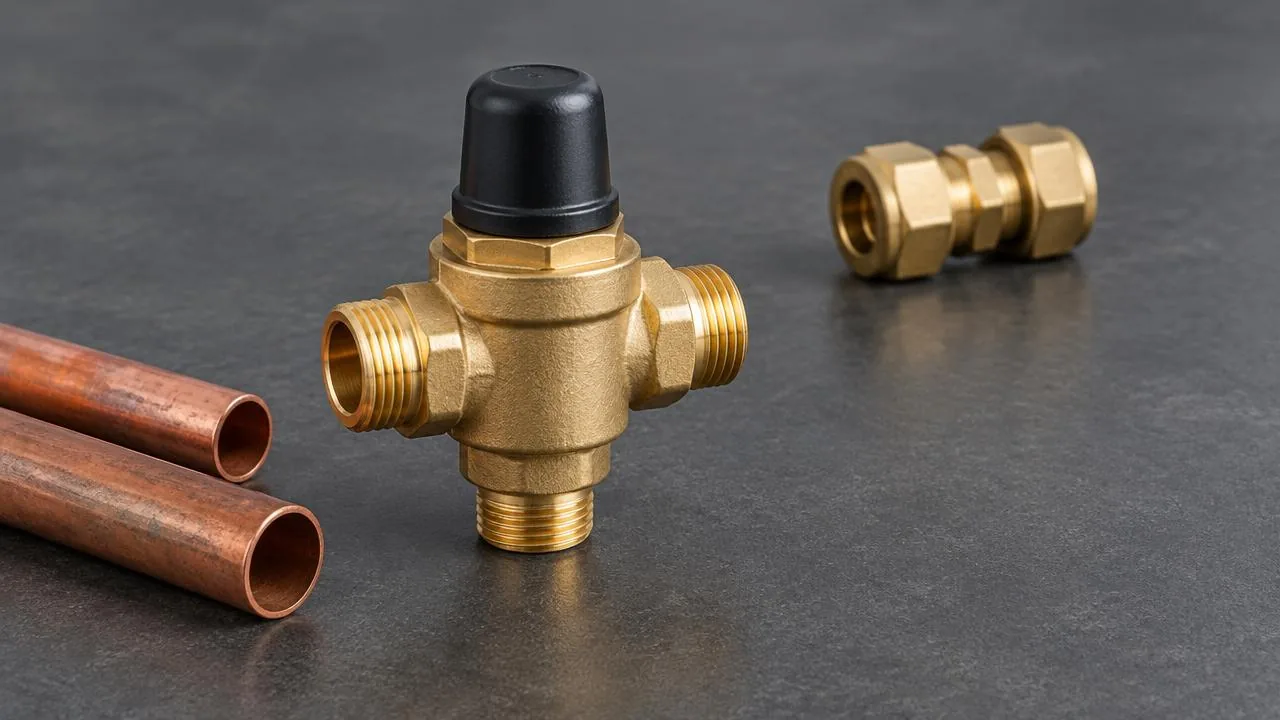
Pressure-control valve (PCV / PRV)
The pressure-reducing function regulates the incoming supply to suit the geyser installation. Some combined units also include expansion relief and non-return functions. Designs differ: the cylinder rating, valve markings and manufacturer's instructions determine suitability, not the colour of a cap or the number of visible pipes.
02 · Protects against unsafe conditions
Temperature-and-pressure relief valve
The T&P safety valve protects the cylinder against excessive temperature or pressure. It is separate from routine supply-pressure regulation. Hot or steaming discharge from this safety outlet should not be dismissed as ordinary expansion water. Never plug its outlet or operate it to investigate a fault yourself.
03 · Protect against negative pressure
Vacuum breakers
Vacuum breakers admit air when needed to help protect the system against vacuum conditions. They do not regulate positive incoming pressure. Their position and suitability must be checked against the installation requirements; they are not interchangeable with a PCV or T&P safety valve.
Manufacturer reference: Kwikot pressure-control valve information explains their protective role and recommends professional installation. Your own model's instructions govern component selection.
03 — Possible causes
What can cause geyser pressure problems in Durbanville homes?
The useful local detail is what is happening at your property, not an assumed pressure figure for Durbanville or a neighbouring suburb. Tell us your suburb, when the fault began, whether plumbing work preceded it, and whether neighbours also noticed a supply change.
Supply conditions
Incoming pressure can vary, but a suburb name cannot establish the pressure at a particular home. Measurements are needed before deciding whether supply conditions are causing the problem. If cold water across the property is also weak, start with the whole-property supply rather than assuming a geyser fault.
Restrictions and debris
A strainer, valve or pipe restriction may reduce flow to the geyser. Debris is a possibility, not proof of a municipal repair or a particular local water-quality problem. Recent plumbing work and the timing of the change are useful clues.
Valve wear or incorrect selection
A valve may no longer regulate as intended, or an existing component may be unsuitable for the installation. A replacement must be selected from the actual equipment ratings and installation requirements, with the underlying pressure conditions checked as well.
Hot and cold supply imbalance
Unequal supplies can make a shower difficult to regulate. A mixer cartridge or another outlet restriction can cause similar symptoms. A balanced-pressure arrangement does not mean every tap will deliver an identical flow rate.
04 — Discharge patterns
Normal thermal expansion or a warning sign?
Water expands when heated. In a system designed to discharge expansion water, an intermittent release through the correct expansion-relief outlet can be expected. There is no universal safe volume or drip count that identifies every installation as healthy.
- Intermittent expansion discharge
- May occur during heating, but the outlet and pattern must be identified. A new or changing pattern is worth checking.
- Continuous running water
- Needs assessment of the valve, pressure conditions and source. Do not assume replacing the valve alone will solve it.
- T&P discharge, steam or ceiling leakage
- Treat as urgent. Keep people clear, do not approach the outlet, and follow the safe isolation guidance below.
For identifying different outlet pipes and interpreting their patterns, see the geyser overflow pipe dripping guide. The drip tray drain is not an expansion-relief outlet.
05 — Safety first
Never block, plug or bypass a geyser safety outlet
Do not cap a dripping pipe, adjust a pressure valve, operate a safety-valve lever or remove a vacuum breaker. Stopping visible water must never disable the system's protective devices.
- 01
Keep people clear
Avoid discharging water, wet ceilings and electrical fittings. Do not touch water to check its temperature, and do not climb into a roof space to take photographs.
- 02
Switch off only from a dry, safe position
For heavy leakage, steaming discharge or suspected overheating, switch off the geyser circuit at the electrical board only if the board and route to it are dry and safe. Do not touch wet switches or equipment.
- 03
Isolate water only if safely accessible
Close the known geyser supply valve or property stopcock gently if it can be reached without climbing or entering a wet area. Do not force a stiff valve. If isolation is unsafe or you are unsure, keep clear and call for help.
If water is escaping heavily, see emergency plumbing guidance. A leaking cylinder may need burst geyser assessment and replacement, but discharge from a valve alone does not prove the cylinder has burst.
06 — Assessment, not guesswork
What a plumber checks during a pressure inspection
The aim is to find the cause before choosing a part. A useful assessment considers the geyser, its supply and the affected fixtures together.
01
Compare the affected outlets
Establish whether the problem affects hot water, cold water or both, and one fixture or several. Low flow at a tap is not itself a measurement of system pressure.
02
Measure pressure and check flow
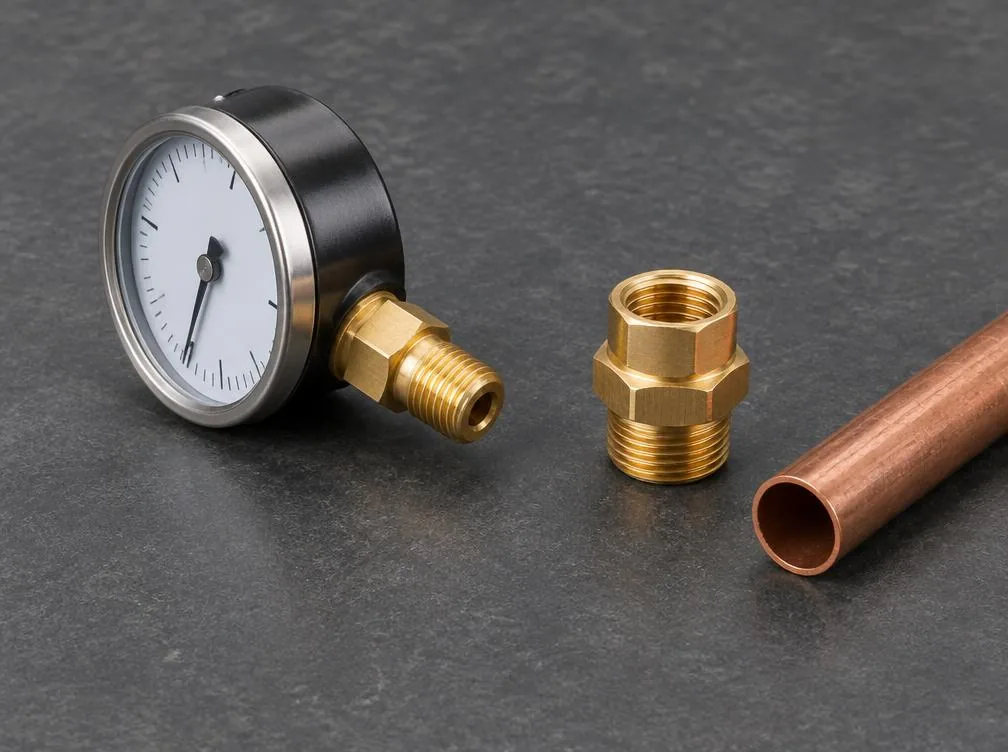
Check pressure at suitable accessible points, including how it behaves when water is being used. Compare findings with the equipment ratings and check for restrictions rather than diagnosing from noise alone.
03
Identify the actual components
Inspect accessible valve markings, the geyser rating plate, isolation valves and relevant strainers. Trace discharge outlets and look at the condition of the tray and pipework. Access limitations should be explained.
04
Explain the repair before proceeding
Explain the findings, remaining uncertainties and recommended work. A clear written quotation is approved before repairs start. A valve replacement is recommended only when the assessment supports it.
Where SANS 10254 and compliance fit
SANS 10254 is an installation standard relevant to fixed electric storage water-heating systems. This guide is not a specification or confirmation that an existing installation complies. Applicable requirements and the manufacturer's instructions must be checked on site.
A plumbing CoC is only issued once the installation meets the applicable requirements and the necessary inspection, testing and sign-off have been completed. Where electrical work is needed, we can arrange an electrician; electrical certification is separate. See plumbing compliance and CoCs.
For booking and the repair process, see professional geyser repairs and valve replacements.
07 — Questions
Geyser pressure and valve questions
Why has my hot water pressure dropped while cold water is normal?
A restriction in the hot-water supply path is a possibility, but the symptom does not prove the geyser pressure-control valve is faulty. If only one tap is weak, its fitting or mixer may be the cause. If several hot taps are affected, the geyser inlet, valves, strainers and hot-water pipework need checking. Tell the plumber what changed, when it started and which outlets are affected. Pressure and flow checks help locate the restriction before parts are replaced.
What does a geyser pressure-control valve do?
A pressure-control valve regulates the incoming water pressure to suit the geyser installation. Depending on its design, a combined unit may also provide expansion relief and a non-return function. It is not the same as the cylinder's temperature-and-pressure safety valve or its vacuum breakers. The correct component is selected using the geyser and valve ratings and the manufacturer's instructions. Choosing a valve by appearance or attempting to adjust it yourself can leave the system unsafe.
Is it normal for a geyser valve to drip outside?
An intermittent discharge from the correct expansion-relief outlet during heating can be normal. That does not make every dripping pipe safe. The temperature-and-pressure safety outlet and drip tray drain have different purposes, and the outlet must first be identified. A continuous stream, steaming water, a sudden change in discharge or water reaching a ceiling needs prompt assessment. Do not touch the discharge to test its temperature, and never cap a pipe to stop a drip.
How is a pressure-reducing valve different from a geyser safety valve?
A pressure-reducing valve controls incoming supply pressure; the temperature-and-pressure safety valve protects the cylinder against excessive temperature or pressure. They perform different functions and cannot replace one another. A combined pressure-control unit can include additional functions, but the actual product and installation must be identified. Safety outlets must remain unobstructed. Do not treat hot or steaming discharge from the T&P outlet as routine heating expansion.
Can a faulty pressure-control valve cause banging pipes?
It can contribute, but banging pipes do not confirm a valve fault. Water hammer can also arise from fast-closing appliance valves, pipe movement and supply conditions. Note whether the sound occurs when a particular tap closes or an appliance operates. A plumber should assess pressure, flow and pipe support before recommending a repair. Replacing a PCV without finding the cause may leave the banging unchanged.
How much does geyser pressure-control valve replacement cost in Durbanville?
There is no reliable fixed replacement price before the fault and installation are assessed. Valve suitability, access and associated remedial work affect the quotation. Call-out arrangements are confirmed directly by phone or WhatsApp. After assessment, the findings and recommended repair are explained in a clear written quotation, and work only proceeds with your approval. A replacement should not be sold as the answer before the pressure problem is diagnosed.
08 — Durbanville & Northern Suburbs
Request a geyser pressure assessment in Durbanville
We attend homes in Durbanville and surrounding Northern Suburbs, including Sonstraal Heights, Kenridge, Eversdal and Pinehurst. We are a mobile plumbing service, not a walk-in Durbanville branch. See our Durbanville service area. We have also replaced a rooftop geyser valve in Bardale Village near Kuils River.
Send your suburb, which taps are affected and when the problem started. Photos of accessible pipework or the rating plate can help, but only take them from a safe position—never climb into a ceiling or onto a roof for a photo.
Rated 4.9★ from 44 Google reviews · View our Google profile